
Last updated November 23, 2026
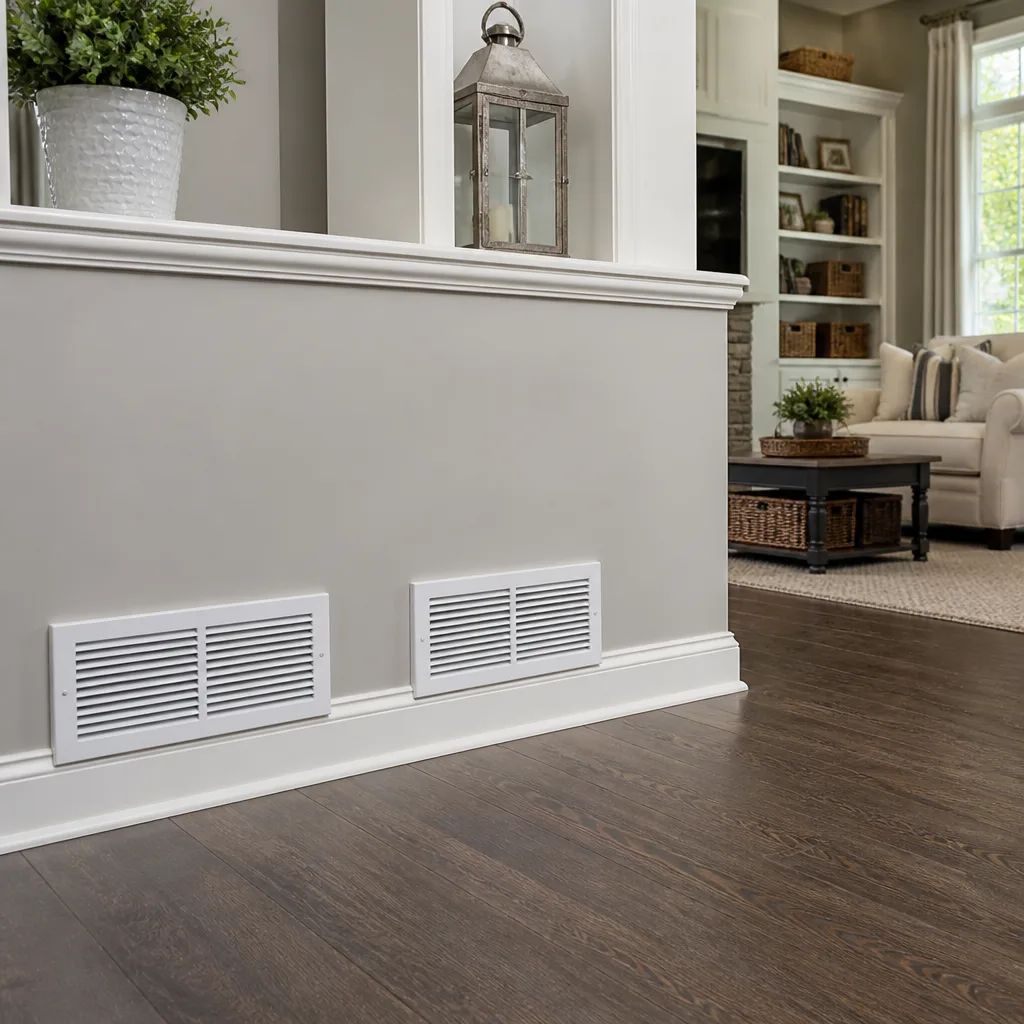 Whole-home duct cleaning
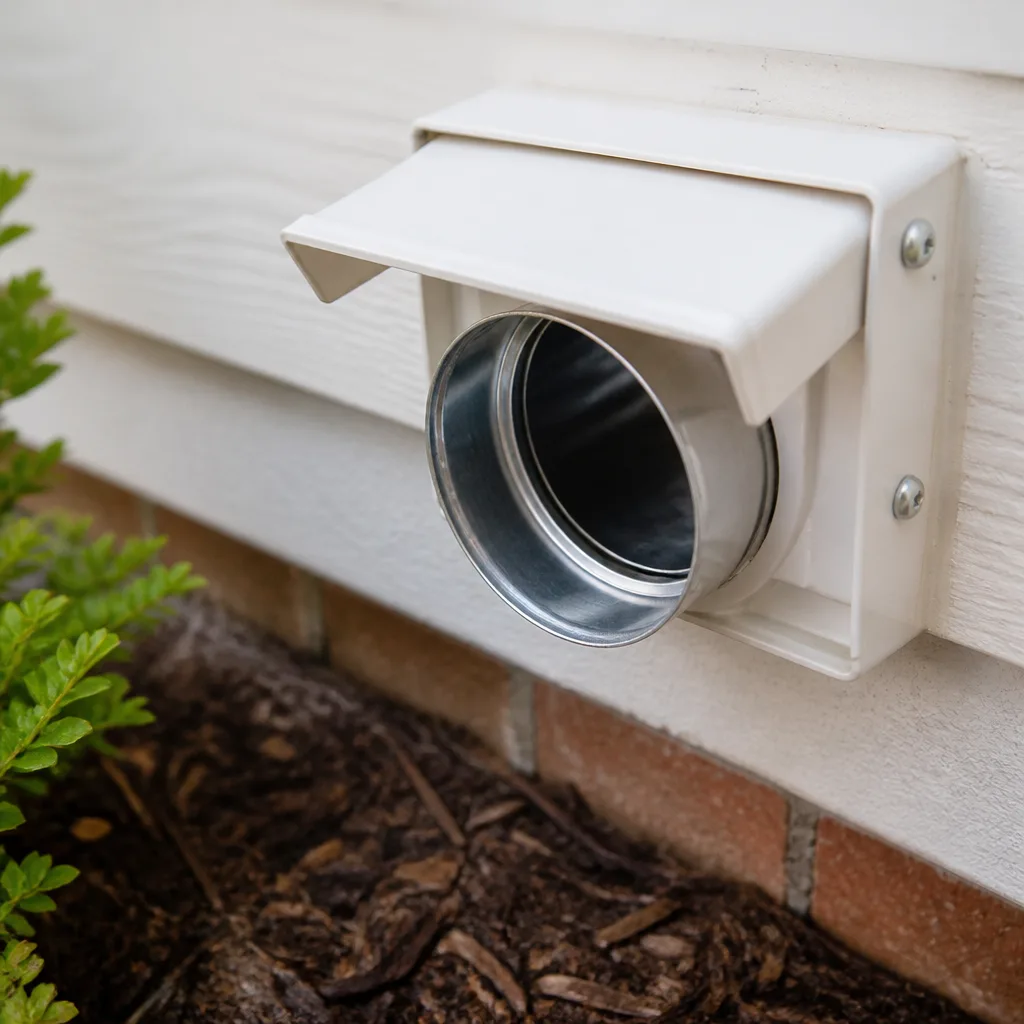 Dryer vent cleaning
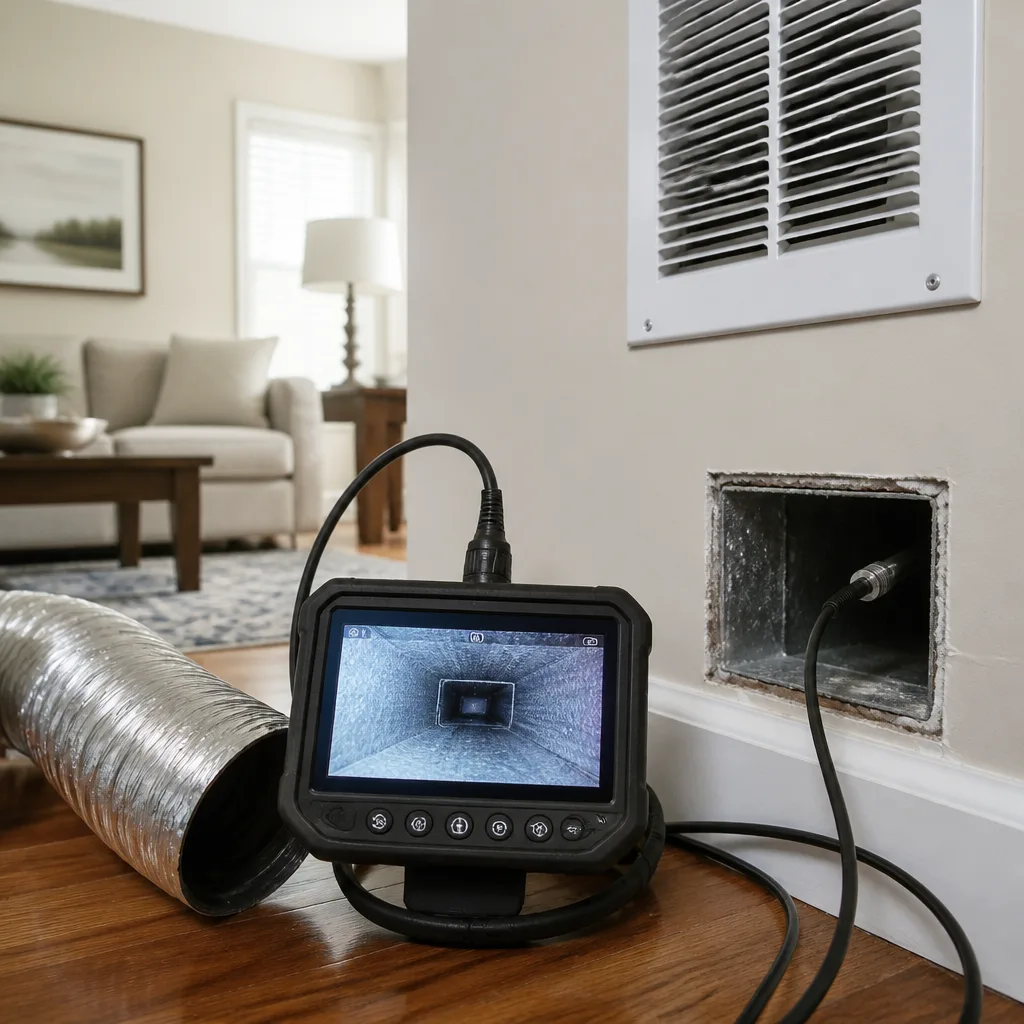 Camera inspection
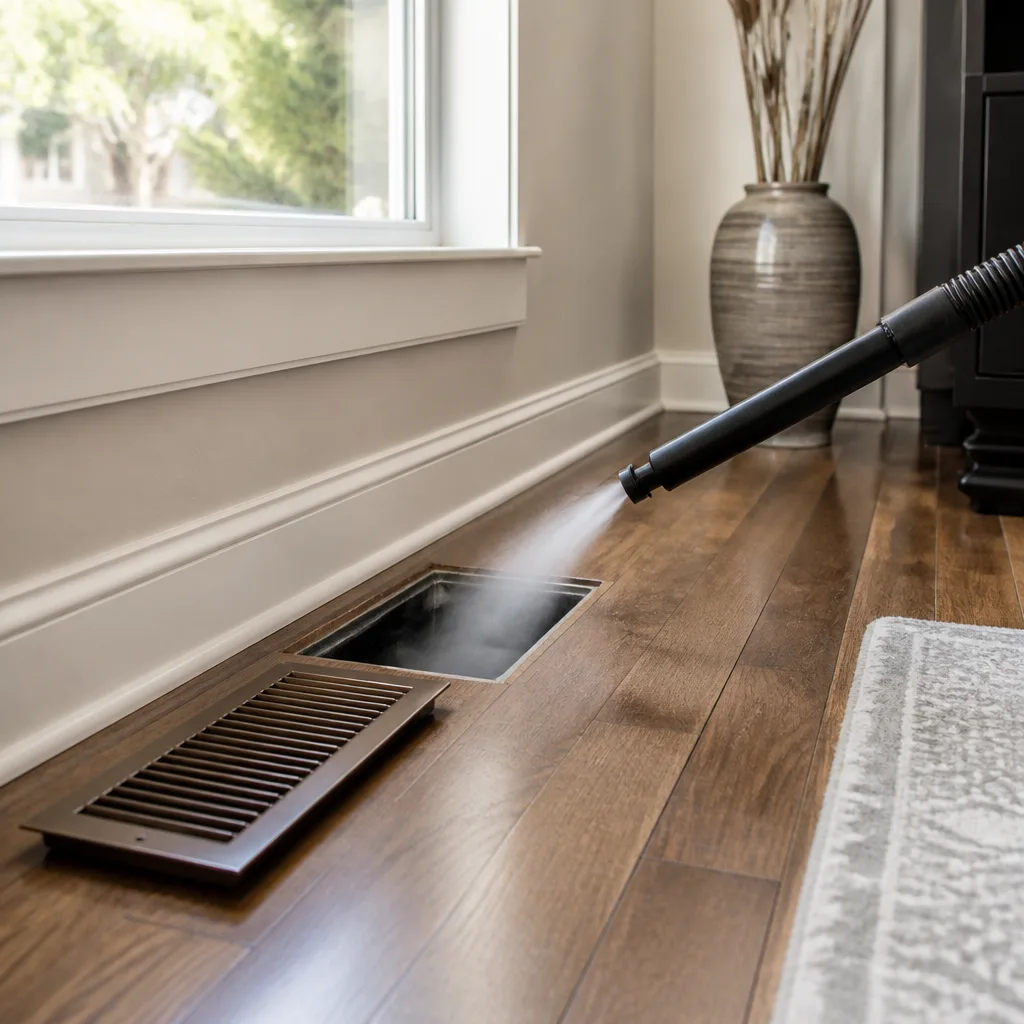 Sanitizing & deodorizing
Whole-system duct and dryer vent check with before-and-after photos - you see exactly what came out of your vents
That "$99 whole-house special" is a bait ad - the real number appears once they are in your hallway, or the "clean" is a shop-vac at the register. We photograph the inside of your ducts before and after instead.
Air Duct Cleaning Warning Signs: A Tacoma Homeowner’s Reference Guide
Most homeowners call us after something dramatic happens. Visible mold around a register. A burning smell when the furnace kicks on. A family member whose coughing won’t quit. By then the job is bigger than it needed to be. Ducts in Tacoma homes send quieter signals first, and those early signals are the cheap ones to act on. This guide teaches you to read them.
Quick Answer
The main warning signs of dirty or failing ducts in Tacoma are uneven room temperatures, heating bills that climb without a thermostat change, filters that load up faster than usual, sluggish airflow at registers, and odd smells (musty, metallic, or burning). Catching these early usually means standard cleaning. Ignoring them often means duct repair, liner replacement, or full remediation later.
Styles & brands we work with
- Whole-home duct cleaning
- Dryer vent cleaning
- Camera inspection
- Sanitizing & deodorizing
Table of Contents
- The Four Measurable Early Signals
- What Your Registers Are Telling You
- Smell Diagnostics: Musty, Metallic, or Burning
- When the Problem Is Your Crawlspace, Not Your Ducts
- When Cleaning Isn’t the Answer
- Why Professional Equipment Matters
- Common Mistakes to Avoid
- When to Call a Professional
The Four Measurable Early Signals
You don’t need instruments to catch these. You need a week of attention and a couple of notes. Each of the four signals below is something a homeowner can quantify with nothing more than observation, and each points to a specific condition inside the system.
- Uneven room temperatures. Put a cheap thermometer in the coldest room and one near the thermostat for three days. A spread of more than 5°F between rooms on the same floor usually means a duct leak or a blocked run, not a weak furnace.
- Rising utility costs. Compare this winter’s Puget Sound Energy heating bills to last winter’s. A 15% jump with no change to your thermostat settings is a duct leakage signal more often than it’s a furnace problem. Duct leaks pull conditioned air into crawlspaces and attics before it reaches your rooms.
- Accelerating filter loading. Note the date you change the filter, and check it after two weeks. A filter that’s visibly gray in two weeks when it used to last two months is loading with particulate the system is circulating.
- Reduced register airflow. Hold a tissue to each supply register. The tissue should flutter strongly and consistently. Weak, inconsistent, or sputtering flow from one register while others are strong points to a leak, a crushed section, or a disconnected run.
Any one of these signals deserves a look. Two or more together almost always justify a professional inspection, especially in older Tacoma housing stock where flexible duct has been rerouted and patched over the years.
What Your Registers Are Telling You
Pull the register grille off a couple of supply vents and look inside with a flashlight. What you see tells you a lot about what’s happening upstream.
- Brown staining around the grille or on the ceiling. This usually indicates moisture moving through the assembly, often from condensation or a nearby leak. It’s a sign to check for biological growth before you clean anything.
- Gray particulate rings around the register edge. Fine gray dust forming a distinct ring where the grille meets the drywall is a classic sign that dust is being pulled past the seal. That means the connection there is leaking, and the system is drawing dirty air from the wall cavity.
- White mineral deposits on or inside the grille. Chalky white residue points to moisture in the airflow, sometimes from a humidifier component or condensation on cold duct runs. In a Tacoma crawlspace, this is often tied to humidity more than to a duct defect.
- Visible debris inside the boot. Drywall dust, sawdust, construction fragments, or mouse droppings inside the boot after a remodel are decades old. They don’t get better with time.
None of these on its own means you need full remediation. Together they guide a technician to where the actual problem starts. That’s the value of a site inspection over a phone quote.
Smell Diagnostics: Musty, Metallic, or Burning
Odors are the most useful diagnostic a homeowner has, and the most ignored. Each kind points at a different cause and a different fix.
Musty or earthy smell is biological. It usually means moisture is accumulating somewhere in the system, often in flexible duct runs in a crawlspace, around a plenum, or behind a wall. In a Tacoma home, that’s frequently tied to crawlspace humidity wicking into ducts that have damaged vapor barriers or disconnected sections. Cleaning helps, but only after the moisture source is fixed.
Metallic or oily smell points at the duct liner itself. Interior acoustical liner in older ducts can degrade with age and humidity, peeling and releasing a metallic or dusty smell. This is not a cleaning problem. It’s a lining repair or replacement problem, and cleaning alone will not resolve it.
Burning or hot-plastic smell when the heat runs means debris is contacting the heat exchanger or the air is overheating due to restricted flow. Stop using the system and get it looked at. Debris on a heat exchanger is a fire and carbon monoxide concern, not a cleaning concern, and we treat it that way.
Smell alone rarely justifies sealing the diagnosis. It gives you the first question to ask, which is which one of these three you’re dealing with.
When the Problem Is Your Crawlspace, Not Your Ducts
We see this often in Tacoma, and it’s the single biggest reason a homeowner pays for a cleaning that doesn’t fix the smell or the dust. The ducts are the messenger, not the problem.
Many Tacoma homes sit on vented crawlspaces. Those spaces see substantial moisture in winter, and any ductwork routed through them is exposed to it. When the vapor barrier is torn, when the foundation vents pull in damp outside air, or when duct connections have opened up down there, the system pulls that moisture and soil air straight into your living space. Cleaning won’t stop it. In some cases it makes the smell worse for a week.
Three tests can help you sort out which problem you actually have:
- Compare the smell on different days. Duct-driven smells are consistent. Crawlspace-driven smells often spike after rain or during humid stretches.
- Check the crawlspace vapor barrier yourself. If it’s torn, loose, or missing over much of the floor, the source is likely down there.
- Look at the duct connections in the crawlspace. Disconnected or drooping runs are common and easy to spot with a flashlight. A disconnected return in a crawlspace is a direct pipe for soil air into your home.
If your warning signs are crawlspace-driven, the correct first response is duct repair and sealing, plus crawlspace moisture control. Cleaning comes after. Any honest inspection will tell you which order is right.
When Cleaning Isn’t the Answer
Cleaning is the right move when the problem is accumulated dust, debris, and contamination inside otherwise sound ducts. It’s the wrong move when the ducts themselves are failing. Here’s how to spot the difference.
- Crushed or disconnected duct runs. A crushed flexible run restricts flow and can’t be cleaned effectively. It needs to be repaired or replaced, then cleaned.
- Degraded interior liner. When liner is peeling, flaking, or releasing that metallic smell, cleaning is a temporary fix at best. Liner replacement is the real answer.
- Visible biological growth on duct surfaces. Surface sanitizing is included in a proper cleaning, but if growth is well established, the moisture source has to be fixed first, or it returns within a season.
- Porous duct board with heavy contamination. Encapsulation or partial replacement is often more responsible than repeated cleaning.
- Sagging or unsealed connections at the plenum and trunk. Every gap is air you pay for that never reaches a room. Sealing is a one-time fix that pays you back on every heating bill.
This is why we don’t quote a duct cleaning over the phone. We need to see the system and confirm what the correct response actually is. Sometimes that’s a cleaning. Sometimes it’s a repair and sealing job. Often it’s both in the same visit.
A useful second step, regardless of the diagnosis, is addressing the whole system. Our HVAC cleaning covers the coils, blower, drain pan, and cabinet alongside the ducts, so contamination doesn’t migrate right back in.
Why Professional Equipment Matters
The reason equipment matters on a duct job is simple. The dust and debris you can see is a fraction of what’s actually inside. Mechanical agitation with a rotary brush breaks loose what’s stuck to duct walls; high-capacity negative-pressure extraction pulls it out of the system without releasing it into the room.
That’s why our technicians work with Rotobrush and Nikro systems, which are purpose-built professional duct cleaning machines designed for exactly this job. We also deploy Abatement Technologies air filtration units during service. That equipment is remediation-grade filtration, the kind used in mold and hazardous-material containment work, and it keeps the work area controlled while we’re inside the system.
A shop vac and a brush on a stick will reach the surface of a duct. It won’t reach the settled debris in a 20-foot run, and it can’t hold negative pressure on the whole system. The gap between entry-level equipment and professional equipment is the difference between a cleaning you can measure and one you can only hope for. For the full service, see our air duct cleaning page.
One service most generic duct companies skip is dryer vent cleaning, and it’s the one where the warning signs are easiest to ignore and the consequences are the most serious. See our dryer vent cleaning page for what to check.
Common Mistakes to Avoid
- Chasing the cheapest quote on a coupon site. A per-vent price that turns into an enormous invoice once the technician is on site is the reputation this industry has to live down. Ask for a flat price per system before work begins.
- Having the ducts cleaned without finding the moisture source. In Tacoma, that moisture is often crawlspace humidity. Cleaning without fixing it means the smell returns within a season.
- Blaming the furnace for a duct problem. Uneven temperatures and rising bills are more often leakage than equipment failure. Have the ducts checked before you replace a furnace.
- Skipping the dryer vent. Lint accumulation in a dryer vent is a real fire risk, and most HVAC-only companies don’t look at it at all.
- Hiring a crew that can’t show before-and-after photos of your ducts. If the work is real, the camera footage is easy to share. If it isn’t offered, ask directly.
- Ignoring the burning smell. That’s a safety issue on the heat exchanger. Don’t run the system and don’t treat it as a cleaning job.
- Assuming new housing means clean ducts. Construction debris, drywall dust, and sawdust get into ducts on new builds and remodels. Age isn’t the driver.
When to Call a Professional
Call a professional when you have two or more of the four measurable signals active at once. Call immediately if you smell burning when the heat runs. Call if a family member’s asthma or allergies flare up in specific rooms. Call if you’ve recently remodeled and haven’t had the system inspected since. And call if the ducts in your Tacoma home haven’t been cleaned since before you owned it and the last owner didn’t leave records.
We give free estimates on a proper inspection, not a phone quote. Because we clean, repair, seal, and sanitize the system, we can tell you clearly which of those is the right response to what we find.
Tacoma Air Duct Cleaning Experts offers free estimates in Tacoma. Call (877) 703-6064. We answer 24/7. Fast dispatch from 7am to 7pm, Sunday through Friday. Our technicians have up to 13 years of experience with professional Rotobrush and Nikro equipment, and we work with Honeywell and Aprilaire air quality products where they’re the right upgrade.
See the difference
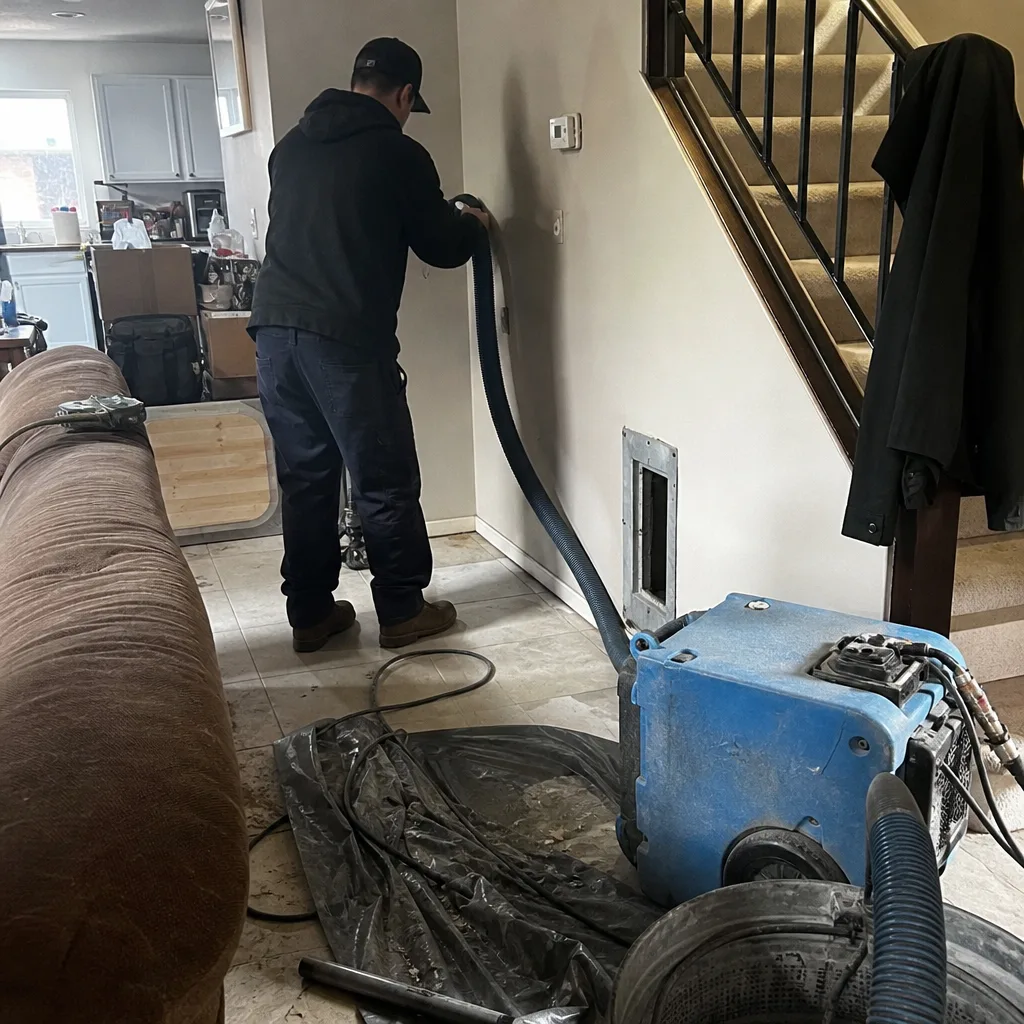 Before
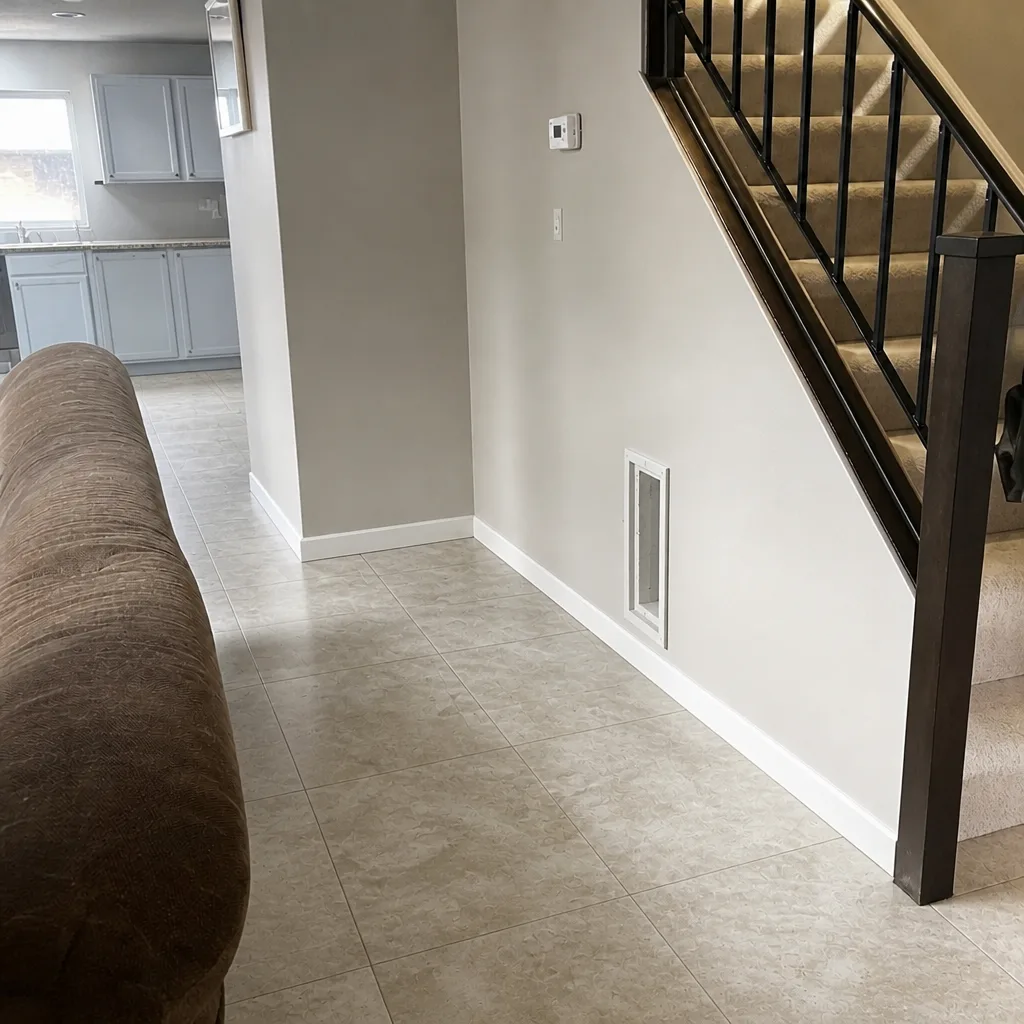 After
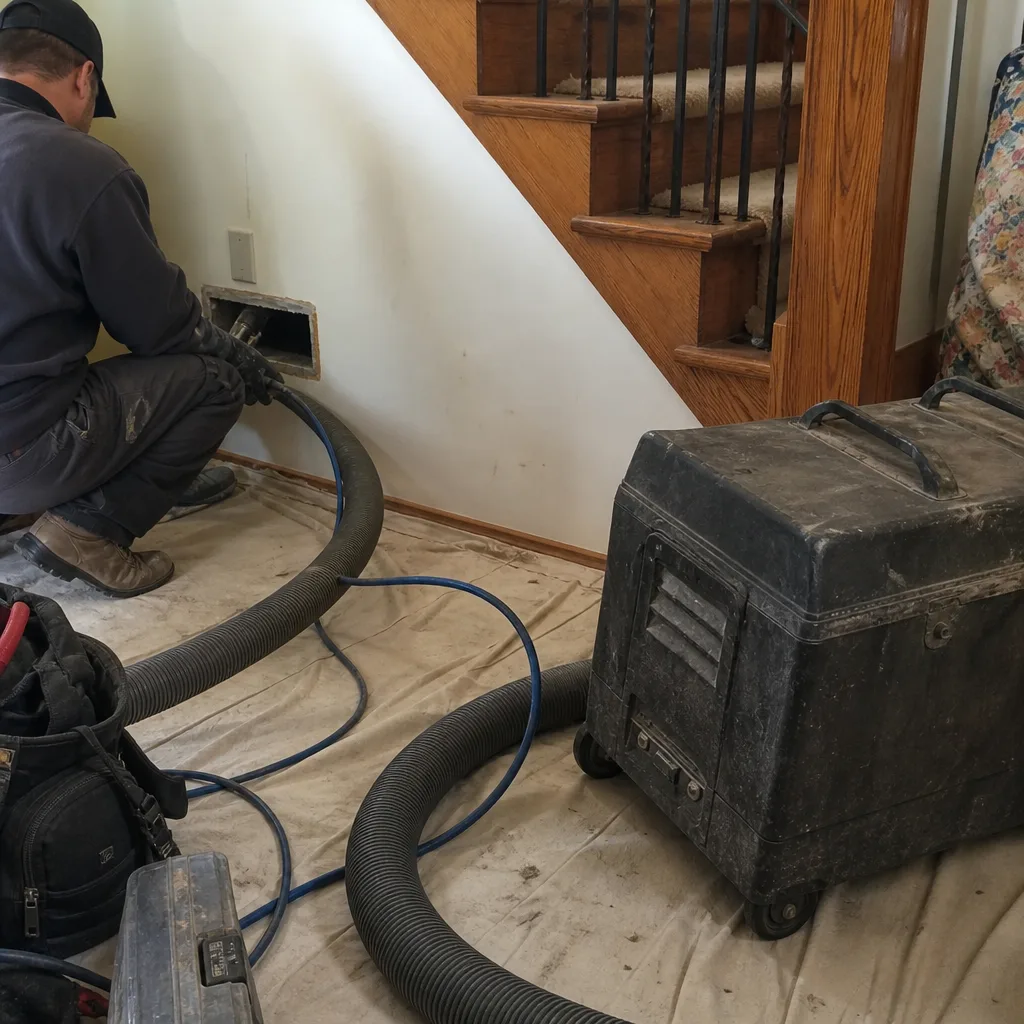 Before
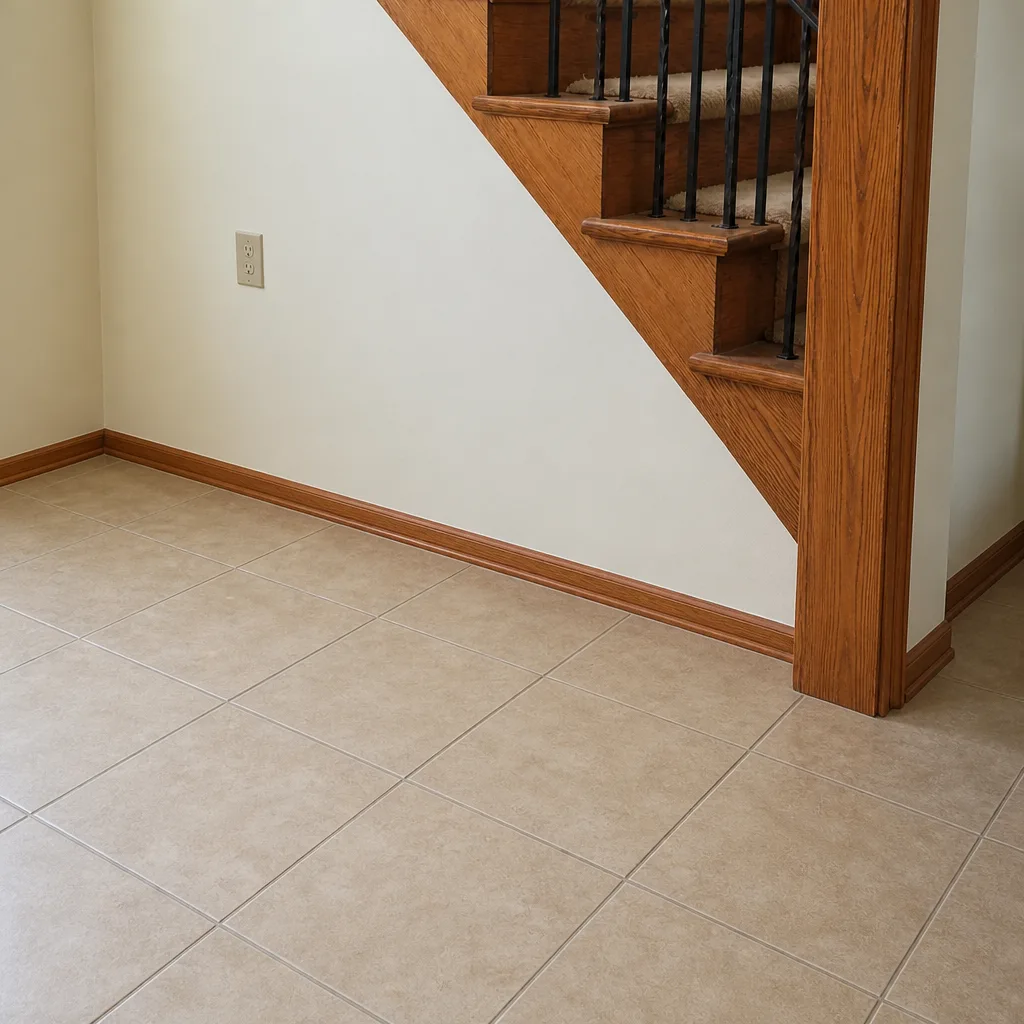 After
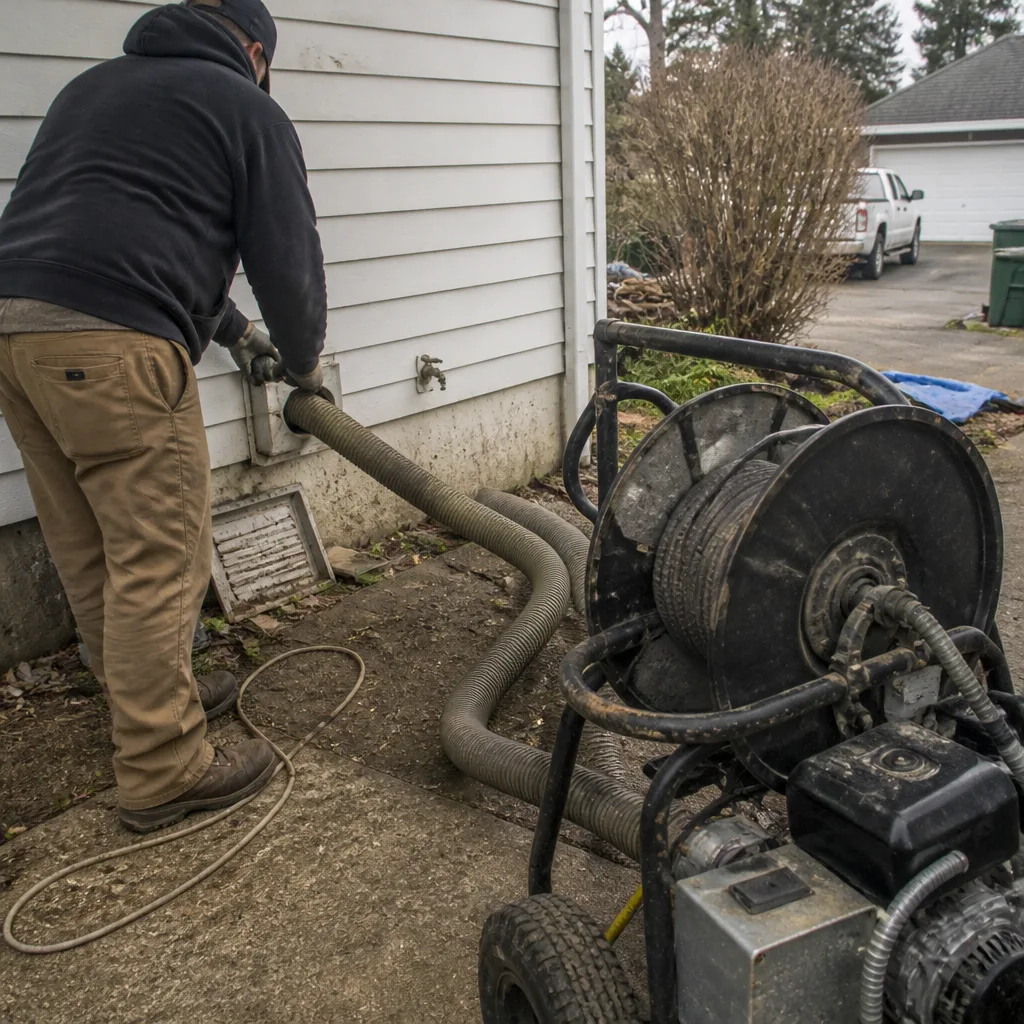 Before
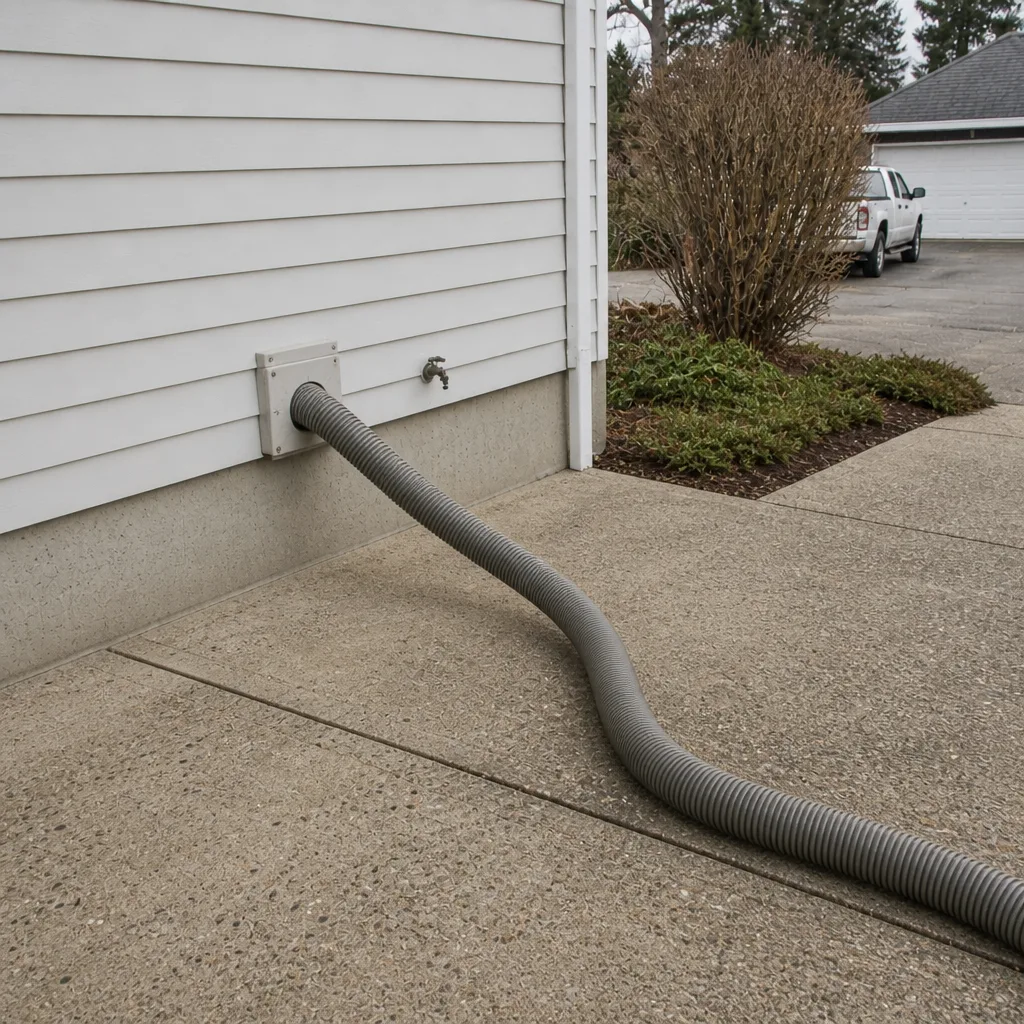 After
Frequently Asked Questions
Look for two or more of these signals at once: uneven room temperatures, rising Puget Sound Energy bills, filters that load up faster than usual, weak register airflow, and odors from the rooms where registers are. If those signs are present, a professional inspection is the right next step.
Pricing varies with the size of the system and the condition of the ducts, which is why a phone quote is guesswork. For homeowners who want a specific range, ask for a flat price per system in writing before work begins, along with a clear scope of what’s included. Call (877) 703-6064 for an exact quote. Estimates are free.
Cheap quotes usually mean per-vent pricing, minimal equipment, and no before-and-after verification. That’s the bait-and-switch reputation the industry has. Ask for one flat price per system, professional equipment (Rotobrush and Nikro are the standard), and photo documentation of your own ducts before and after.
Ask for before-and-after photos of your own ducts, taken inside the runs, not just at the register. Standard practice includes camera inspection and photo documentation. If a crew doesn’t offer it, that’s a question worth asking before they start.
Most homes benefit from an inspection every few years, and cleaning every several years or after major remodeling, a new HVAC install, or a crawlspace moisture issue. Homes with allergies, pets, or recent construction benefit from checking sooner. It’s condition-based, not calendar-based.
Cleaning alone won’t fix a musty smell if the source is crawlspace humidity or an unsealed duct connection. The correct order is usually sealing and repair first, then cleaning. Ask for the diagnosis before the cleaning so you don’t pay twice for the same problem.
The Bottom Line
The warning signs worth acting on are the quiet ones: a warm room that won’t stay warm, a filter that fills faster than it used to, a faint musty smell after rain, airflow that feels lighter than it did. Read those signals early and the fix is a cleaning and a seal. Ignore them for a few seasons and the fix involves repairs, liner work, or crawlspace remediation. If you’re seeing two or more of these signs in your Tacoma home, that’s a good time to have a trained eye look at the whole system and give you a real diagnosis before it gets expensive.
When you’re ready, call (877) 703-6064 for a free estimate. We answer 24/7. Fast dispatch from 7am to 7pm, Sunday through Friday. You’ll get a flat price per system agreed before work starts, before-and-after photos of your own ducts, and a crew that handles the whole chain – cleaning, repair, sealing, sanitizing – in one visit. Start with our Tacoma Air Duct Cleaning Experts overview if you’re not sure where to begin.
Written by the team at Tacoma Air Duct Cleaning Experts.