
Last updated November 23, 2026
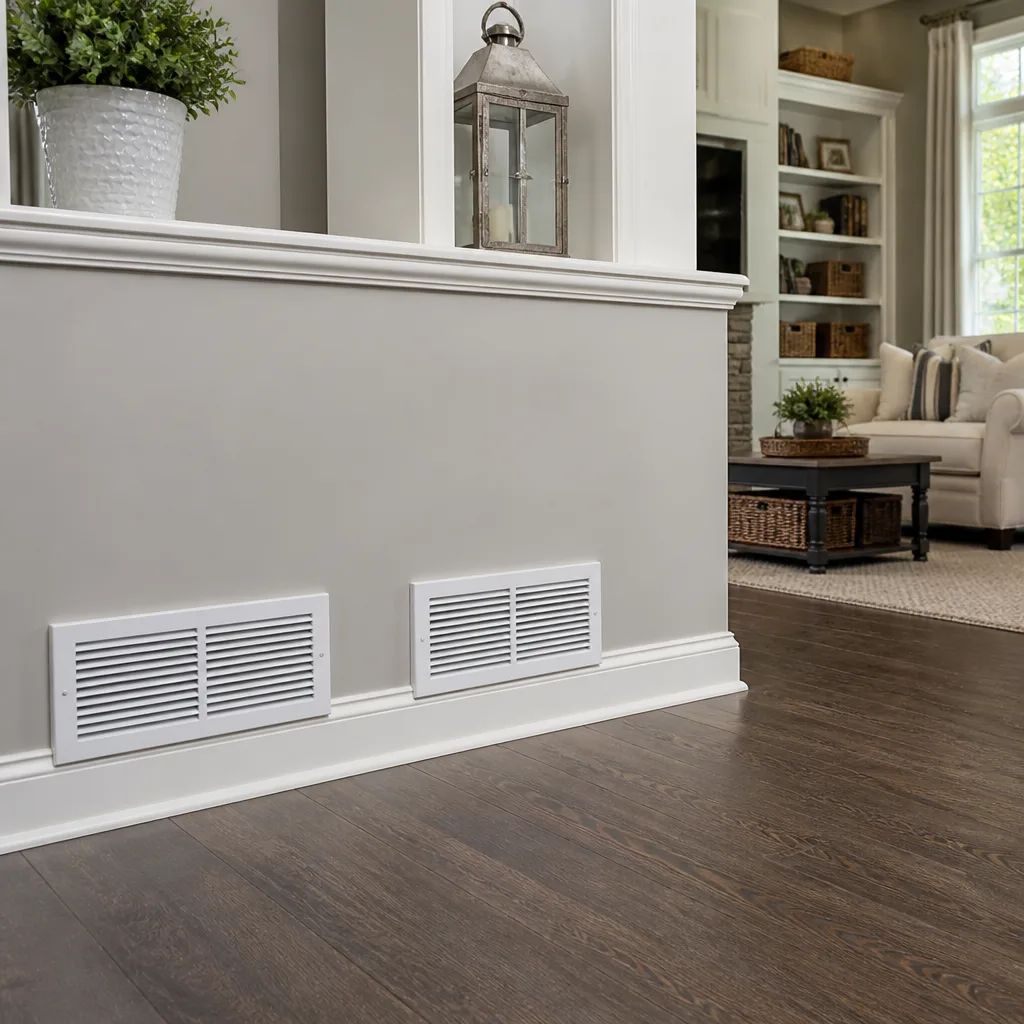 Whole-home duct cleaning
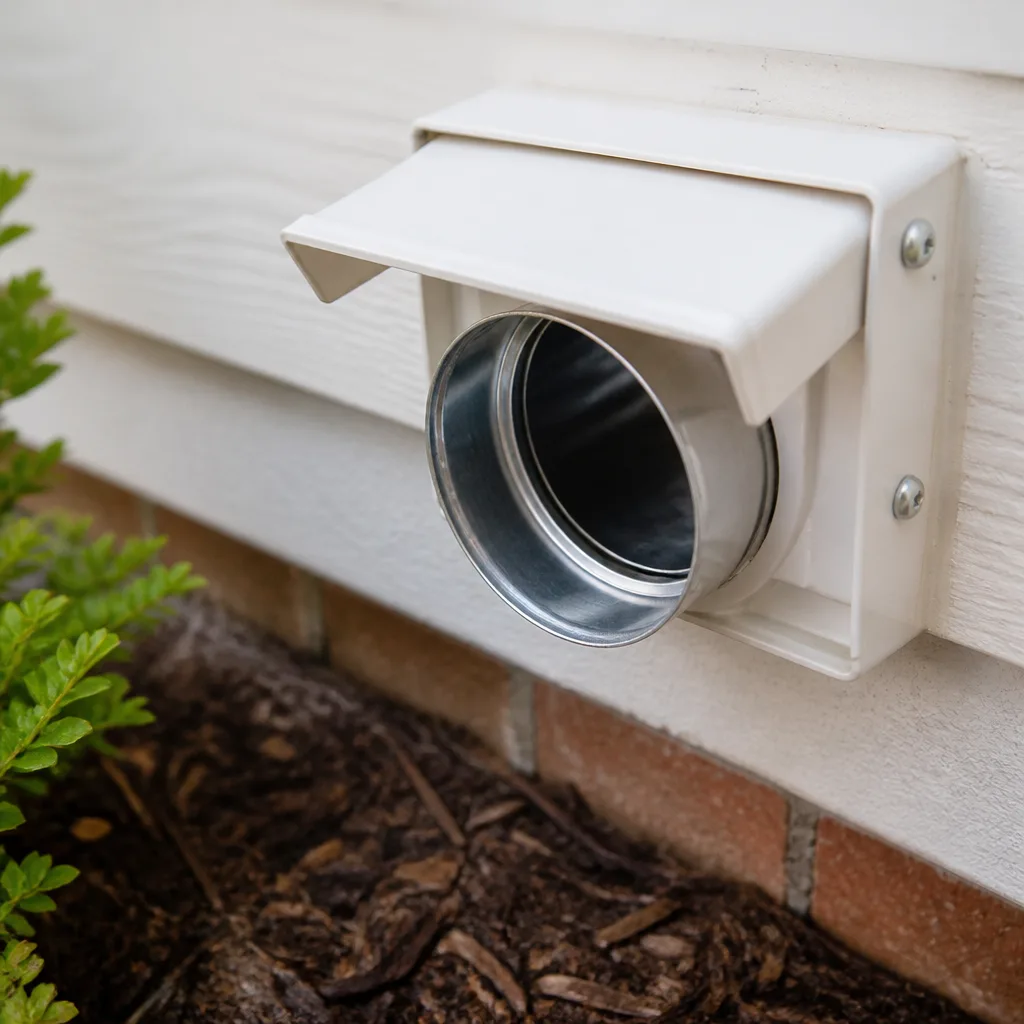 Dryer vent cleaning
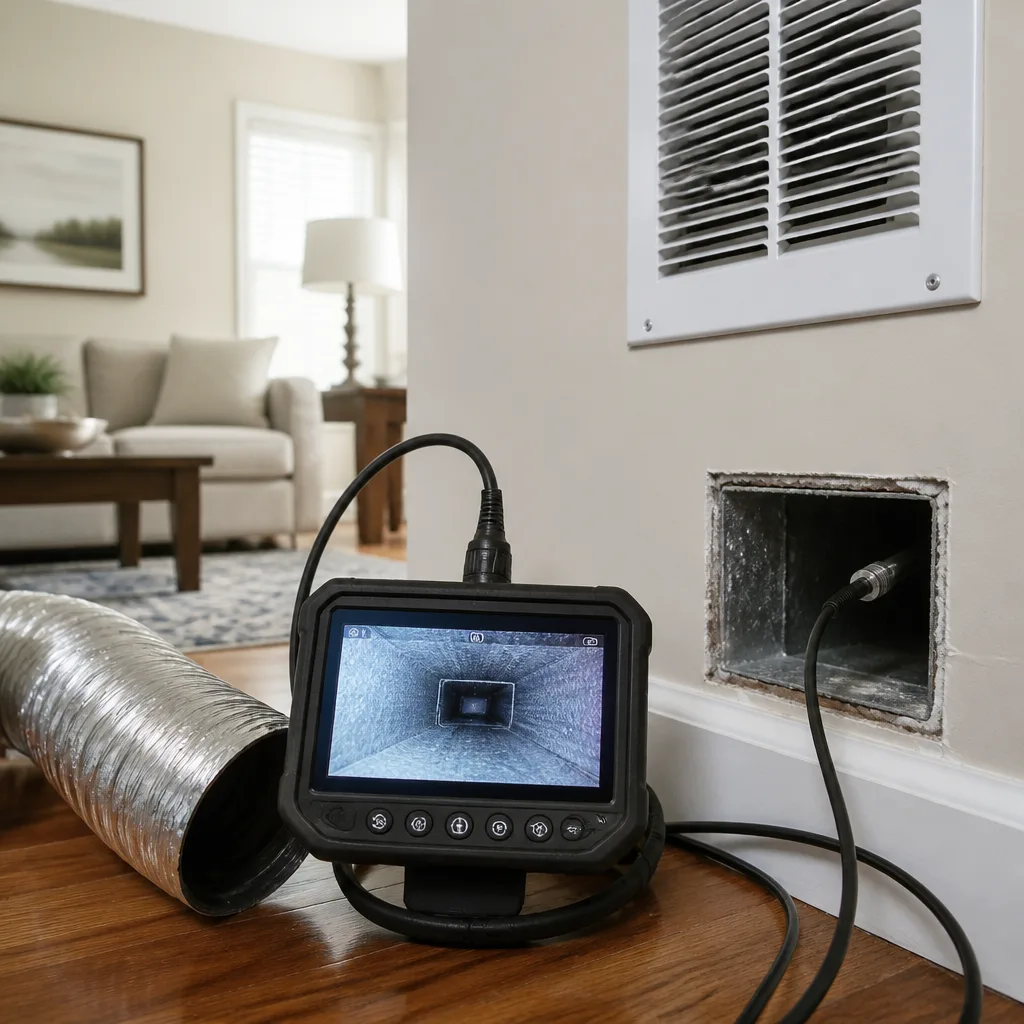 Camera inspection
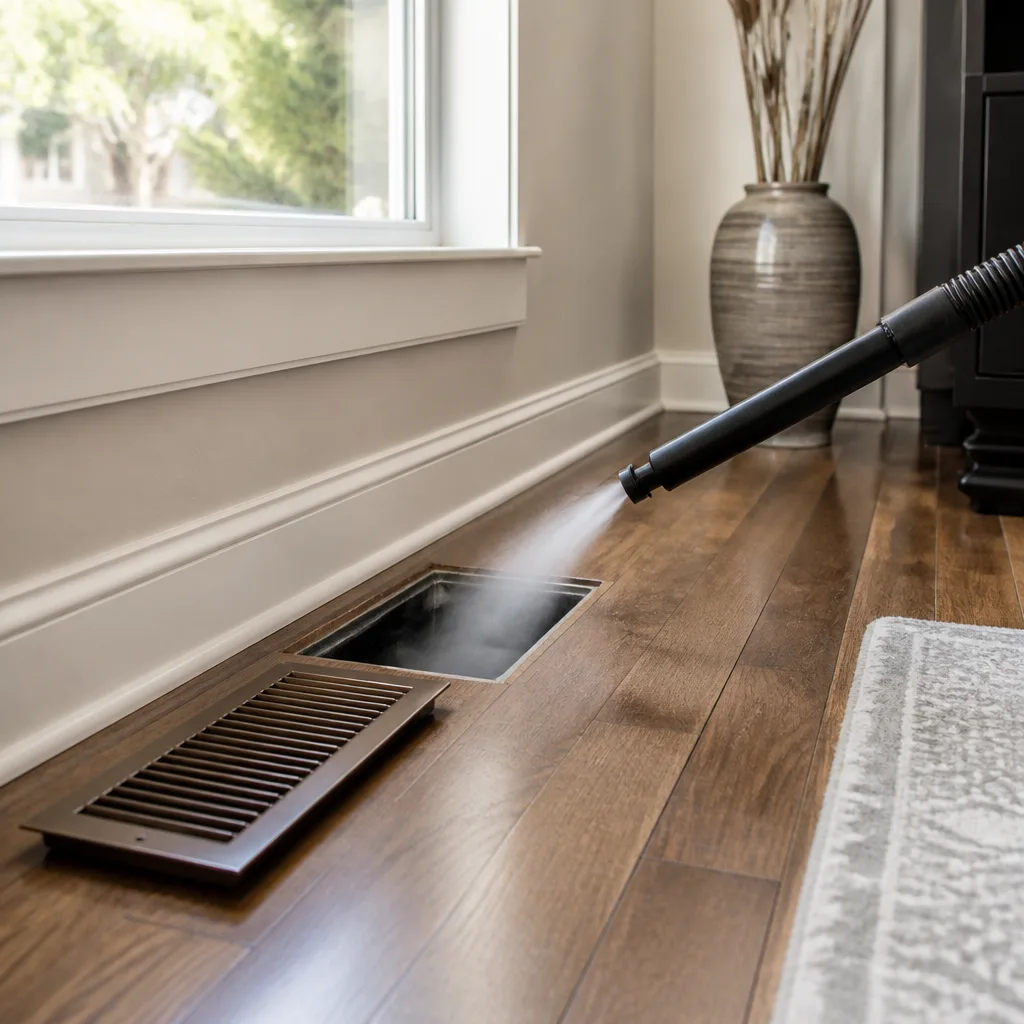 Sanitizing & deodorizing
Whole-system duct and dryer vent check with before-and-after photos - you see exactly what came out of your vents
That "$99 whole-house special" is a bait ad - the real number appears once they are in your hallway, or the "clean" is a shop-vac at the register. We photograph the inside of your ducts before and after instead.
How to Hire an Air Duct Cleaning Contractor in Tacoma: A Step-by-Step Guide
In Washington State, anyone with a shop vac and a website can legally advertise as an air duct cleaning contractor. There is no state license required for the trade itself, which means the work of separating a real operation from a vacuum-and-run crew falls entirely on you. That’s the uncomfortable part. The useful part is that a real operation is easy to identify once you know what to ask. This guide walks you through the equipment questions, the NADCA standards, the red flags, and the written estimate details that most homeowners in Tacoma never think to check until the van is already in the driveway.
Quick Answer
To hire an air duct cleaning contractor in Tacoma, verify NADCA membership, ask five specific equipment questions (vacuum CFM, agitation method, camera inspection, negative pressure verification, and containment setup), insist on a written estimate priced per system rather than per vent, and require before-and-after camera footage before final payment. Because Washington has no licensing requirement for the trade, those checks are your only real protection.
Styles & brands we work with
- Whole-home duct cleaning
- Dryer vent cleaning
- Camera inspection
- Sanitizing & deodorizing
Table of Contents
- Why Washington’s Missing License Changes Everything
- The Five Equipment Questions to Ask Before Booking
- How to Verify NADCA Membership and What ACR Standards Require
- Red Flags Specific to Low-Bid Tacoma Operators
- What a Legitimate Written Estimate Should Itemize
- How to Run the Post-Job Walkthrough
- Tacoma’s Climate and Housing Stock: Why Duct Work Here Is Different
- Common Mistakes to Avoid
- When to Call a Professional
Why Washington’s Missing License Changes Everything
Washington State does not license air duct cleaning as a trade. There is no state exam, no bond requirement specific to duct work, and no license number to look up before you hand over a check. Compare that to electrical work or plumbing, where you can punch a number into the Department of Labor & Industries database and see instantly whether someone is legitimate.
That gap has real consequences for homeowners in Tacoma. It means the “licensed and insured” line on a website is worth nothing unless you ask for the specific credentials behind it, and it means the difference between a thorough cleaning and a surface pass is invisible unless you know what equipment you’re looking at.
What does exist is a voluntary standard. The National Air Duct Cleaners Association (NADCA) sets the industry benchmark through its Assessment, Cleaning and Restoration (ACR) standard, and its members agree to follow it. Membership isn’t a license, and it doesn’t guarantee good work, but it does mean the contractor has committed to a documented process, has access to the standard, and can be held to it. For a trade with no state oversight, that’s the closest thing to a credential you’ll find.
What this means for you in practice
- You cannot verify a Tacoma duct cleaner through a state database.
- You can verify NADCA membership directly through NADCA’s own directory.
- You should ask for proof of general liability insurance regardless of licensing, because a tech who damages a ceiling or a coil is a real risk.
- You should treat every equipment claim as something to verify on-site, not take on faith.
That last point is where most of this guide lives. Equipment and process are the two things you can actually inspect.
The Five Equipment Questions to Ask Before Booking
Five questions separate a professional duct cleaning operation from a crew with a shop vac and a hose. Ask them on the phone before you book, and note how the person answers. A real operation answers them with specifics. A vacuum-and-run operation gets vague fast.
1. What is your vacuum’s CFM rating?
CFM stands for cubic feet per minute. It’s the measure of how much air the vacuum moves, and it matters because duct cleaning is a volume game. A machine that pulls real suction through a 30-foot run of flex duct needs a substantial motor behind it. Truck-mounted units and high-capacity portable units are built for this. The shop vac in the back of a sedan is not.
Ask for the number. A contractor who cleans professionally should know it. If the answer is “it’s industrial grade” with no figure attached, that’s your answer.
2. What is your agitation method?
Suction alone doesn’t lift debris that has bonded to the duct walls. Agitation is what breaks that material loose: rotating brush whips, air whips, or compressed-air nozzles. The professional systems we use, including Rotobrush and Nikro equipment, are built around purpose-designed agitation. Ask which method is used for your type of duct: rigid metal responds differently than flex, and flex duct requires more care to avoid tearing.
3. Do you do camera inspection?
A camera inspection is how you see inside a duct without cutting into it. Professional crews run a camera to the register and into the trunk lines before and after cleaning. If a contractor can’t show you what’s inside the system, they can’t show you what they cleaned. This is the single most important question on the list, and it’s covered further under the post-job walkthrough below.
4. How do you verify negative pressure?
Negative pressure means the cleaning equipment is pulling air out of the system so that loosened debris travels toward the vacuum instead of into your living room. A real setup uses a HEPA-grade collector and a tested connection so the pressure differential is actually measured. Ask whether the crew verifies that the seal is holding before they start.
5. What is your containment setup?
Containment is the barrier around the work area that keeps dust from spreading to the rest of the house. Professional operations use filtration equipment for containment; abatement-grade filtration is the level you want for systems that show visible contamination. Guardsman-grade surface protection during work is a detail that tells you the crew is used to protecting homes.
Write the answers down. If two contractors give you the same non-answer, you’ve learned something useful about the local market.
How to Verify NADCA Membership and What ACR Standards Require
NADCA membership is verifiable in minutes. Go to the association’s website, search the directory by company name or by city, and see whether the contractor appears. If they claim membership, the directory is the place to confirm it.
Why it matters comes down to the ACR standard. The standard defines what “cleaned” actually means: source removal of accumulated contaminants rather than just a surface pass, negative pressure maintained throughout the process, and a documented assessment before and after. It also sets out how different types of duct material should be handled.
What ACR requires on a job site, in plain terms
- Source removal: the debris is physically removed, not just stirred up and sent back through the supply registers.
- Containment: the work area is protected so contaminants don’t release into the home.
- Negative pressure: the collection system is connected and pulling, with the seal verified.
- Assessment: the system is checked before and after, using visual or camera inspection.
- Documentation: the work is recorded, and any pre-existing damage to the ductwork is noted.
You don’t need to quote the standard to the crew. You just need to see it playing out on-site. A member who follows ACR will do exactly those things, and you’ll recognize them because the camera comes out first and the machinery sounds like real equipment.
If you’re weighing whether to bring in outside equipment for a job, our guide to air duct cleaning covers the process end to end. Membership doesn’t replace that process knowledge; it tells you the contractor has one.
Red Flags Specific to Low-Bid Tacoma Operators
The Pacific Northwest market has a lot of duct cleaning competition, and the low-bid end of it is easy to spot if you know what to look for. Some patterns are regional: a strong moisture climate makes a warranty of “completely clean forever” implausible, and a fire-prone older housing stock makes skipped dryer vents a real hazard. Here’s what to watch for.
Vague scope of work
A contractor who can’t tell you exactly which components get cleaned is likely to clean only the visible supply registers and call it done. “Full duct cleaning” without a list of what’s included is a phrase, not a scope. Ask whether the return side is included, whether a central air handler is included, and whether the dryer vent is separate.
No camera inspection offered
If nobody offers to put a camera in the system, ask why. Video inspection is the tool that proves the work, and skipping it is convenient for a crew that intends to spend less than an hour on site.
Pricing per vent
Per-vent pricing is a structure designed to make the quote look cheap before the job starts and expensive by the time you have a count. Every system has a different number of vents, different run lengths, and different contamination levels. Priced per system, the number is stable. Priced per vent, it grows.
The uninvited add-on
Watch for a contractor who arrives and immediately discovers problems nobody mentioned on the phone, then quotes extra work before doing anything. Sometimes real problems do surface during inspection. The difference is whether the crew documents them with camera footage and puts the scope in writing before starting. We tell people to ask for that in writing as a condition of the visit.
No proof of liability insurance
Coverage varies, but on a job that involves ladders, attic access, and cutting into ductwork, some form of general liability coverage is basic due diligence. Ask for the certificate.
What a Legitimate Written Estimate Should Itemize
A written estimate isn’t a formality. It’s the document that tells you what will be done, what it costs, and what’s not included. Many homeowners in Tacoma have called us after a vague quote turned into a larger invoice, and the pattern is almost always the same: the scope was never written down.
What should be in it
- The whole system scope. Supply and return lines, trunk and branch duct, registers, and the components of the air handler that can be cleaned.
- Access method. How the crew will get into the system: register access, cutting access panels, or both.
- Equipment specified. The vacuum and agitation method, plus the containment filtration used.
- Inspection plan. Pre- and post-cleaning camera inspection, with footage delivered to you.
- One flat price. Priced per system, not per vent, with no per-vent line items.
- Exclusions. What’s not covered: dryer vent, duct repair, sanitizing, and any secondary work.
- Conditional repair language. If a leak, sag, or loose connection is found, how it gets priced and approved before work continues.
What a vague quote conceals
“Duct cleaning, $199, includes up to 10 vents” tells you nothing about the return side, nothing about the air handler, and nothing about what happens when the crew finds more. It also leaves you no way to compare two quotes, because you can’t tell what’s included. The written estimate should make that comparison simple: same line items, same scope, side by side.
Where duct repair fits
If your system has gaps at the joints, disconnected runs, or deteriorating flex, cleaning alone won’t help because the air is escaping before it reaches a room. That’s the difference between a cleaning crew and a full-service operation. When you’re ready to look at a broader scope, our page on HVAC cleaning explains how the air handler and coil fit into the same visit.
How to Run the Post-Job Walkthrough
The walkthrough is when you actually see what you paid for. Run it before final payment, and don’t accept a verbal summary in place of the camera footage.
- Before the work begins. Confirm the camera inspection happens first and that you’ll receive dated footage of the pre-cleaning condition of at least one representative run. This is your baseline.
- At the walkthrough. Ask for the after-cleaning footage from the same runs. You should see bare duct walls, not a coating of dust.
- Check the returns and the air handler. Look inside the return drop and the blower compartment. These are the places a quick job skips.
- Verify the containment came down cleanly. The work area should look the way it did before the crew arrived, minus the dust and the protective coverings.
- Look for damage. Any loose flex, crushed duct, or disconnected joint should be pointed out and noted.
- Get the written report. The report should describe the system as found, work performed, and any recommended repairs or air-quality work. Ask for it before final payment, not after.
A full-service crew will have all of this ready. That’s part of what you’re paying for when you hire a professional operation instead of a coupon. And if you want to see the general method laid out in more detail, our front page at Tacoma Air Duct Cleaning Experts gives a good overview of what a full-system visit involves.
Tacoma’s Climate and Housing Stock: Why Duct Work Here Is Different
Tacoma’s climate is wetter and cooler than much of the country, and the housing stock reflects it. Crawlspaces, older homes with flex duct retrofits, and heating systems that run for long stretches of the year all change what a duct cleaning job actually needs to address.
The moisture matters. Ducts that live in a damp crawlspace or a humid basement can harbor conditions that encourage biological growth, and cleaning without containment in that environment can move the problem into the living space. That’s the reasoning behind using remediation-grade air filtration for containment on affected systems: it keeps the environment controlled rather than letting the process spread what it disturbs.
Homes common in Tacoma and what to look for
- Older Tacoma homes: ductwork may be original or retrofitted, and access is often tight. Ask how the crew will access each run without cutting excessively.
- Homes with flex duct additions: flex is easy to install and easy to damage. Ask about the condition of flex runs, and whether the crew will repair a torn section or just note it.
- Systems with high-efficiency air handlers: the blower and coil need cleaning too, and access to them is part of the scope. Honeywell and Aprilaire equipment is common in this region, and a contractor familiar with those systems can service them, not just the ductwork around them.
- Homes with dryer vents that run long distances: dryer vent cleaning is a fire-safety item, and it’s frequently overlooked by HVAC-only crews. Ask for it as part of the estimate if your vent run is longer than standard.
Weather doesn’t change the questions on this list. It changes which answers should be a priority: containment on a damp system matters more than ever, and dryer vent work becomes a different conversation. If your dryer vent is on your mind, our dryer vent cleaning page has more on the fire-safety side.
Common Mistakes to Avoid
- Hiring on price alone. A low quote usually reflects a smaller scope, not a better deal. Compare what’s included, not just the number.
- Skipping the camera question. If a contractor can’t inspect the system, they can’t prove the work. Ask before booking, and expect a real answer.
- Accepting per-vent pricing. Whole-system pricing makes the final invoice predictable. Per-vent pricing doesn’t.
- Not asking about containment. In Tacoma’s damp climate, a containment setup that isn’t designed for the job can release material into your home instead of collecting it.
- Assuming the air handler is included. Cleaning the ducts but leaving the coil and blower untouched leaves the biggest deposit in the system where it was.
- Paying before the report. The written report and camera footage are deliverables. Get them before final payment, not as an afterthought.
- Forgetting the dryer vent. A dryer vent that runs through a crawlspace or an exterior wall is a fire-safety concern, and it’s often left off an HVAC-only quote.
When to Call a Professional
Some signs don’t need interpretation. If you’re seeing visible dust blowing from a register when the heat or AC kicks on, that’s a system that needs cleaning. If the return grille has developed a visible layer of buildup, or if a recent remodel kicked drywall dust into the system, call before running the heat much longer so the dust doesn’t settle at the coil.
Other signals are quieter. A persistent musty smell when the system runs, unexplained respiratory irritation in the house, or rising energy bills alongside a system that’s not delivering heat or cooling the way it used to. Ductwork with gaps or disconnected runs also falls into this category: cleaning helps, but repair is what stops the loss. So does a dryer that takes two cycles to dry a load, which points at a blocked vent.
Tacoma Air Duct Cleaning Experts offers free estimates in Tacoma. Call (877) 703-6064. We answer 24/7. Fast dispatch from 7am to 7pm, Sunday through Friday. The estimate is free, and the written estimate sets the final price, so you know what you’re agreeing to before anyone touches the system.
See the difference
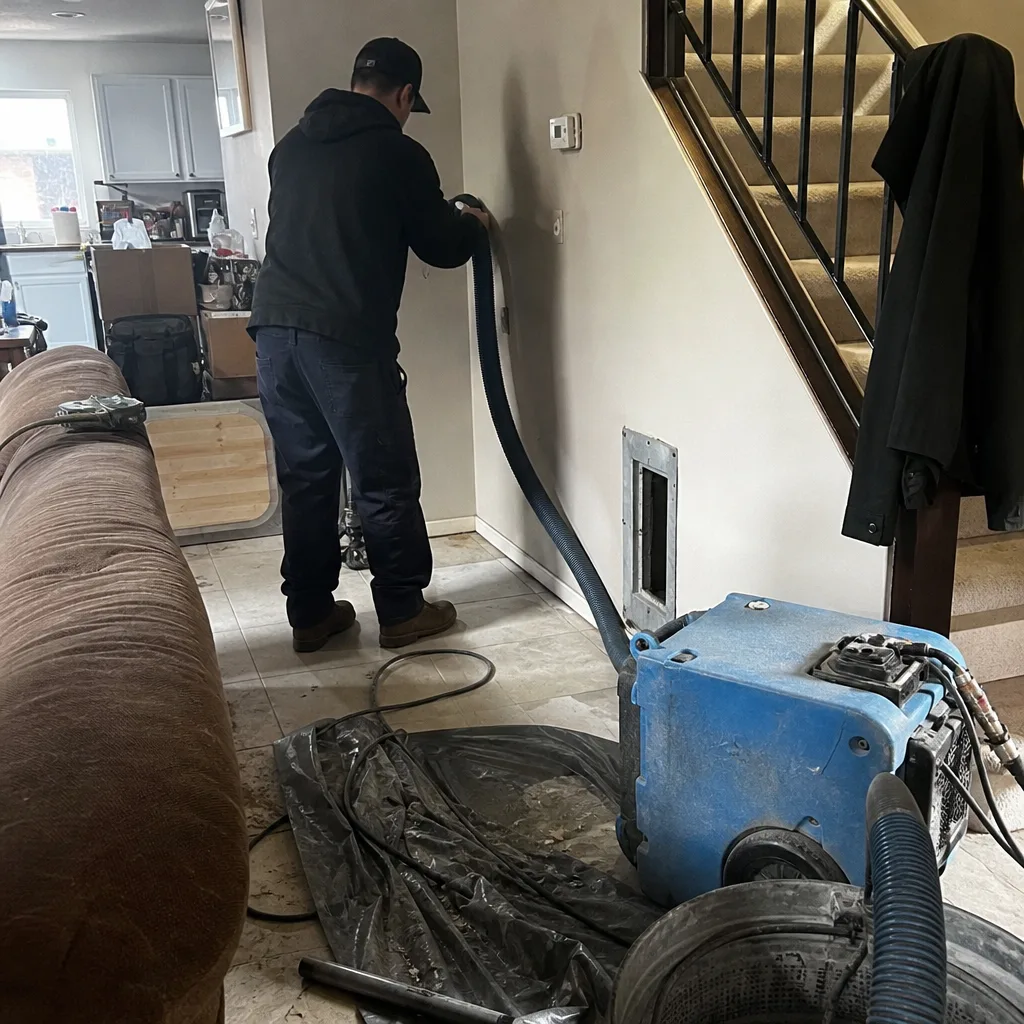 Before
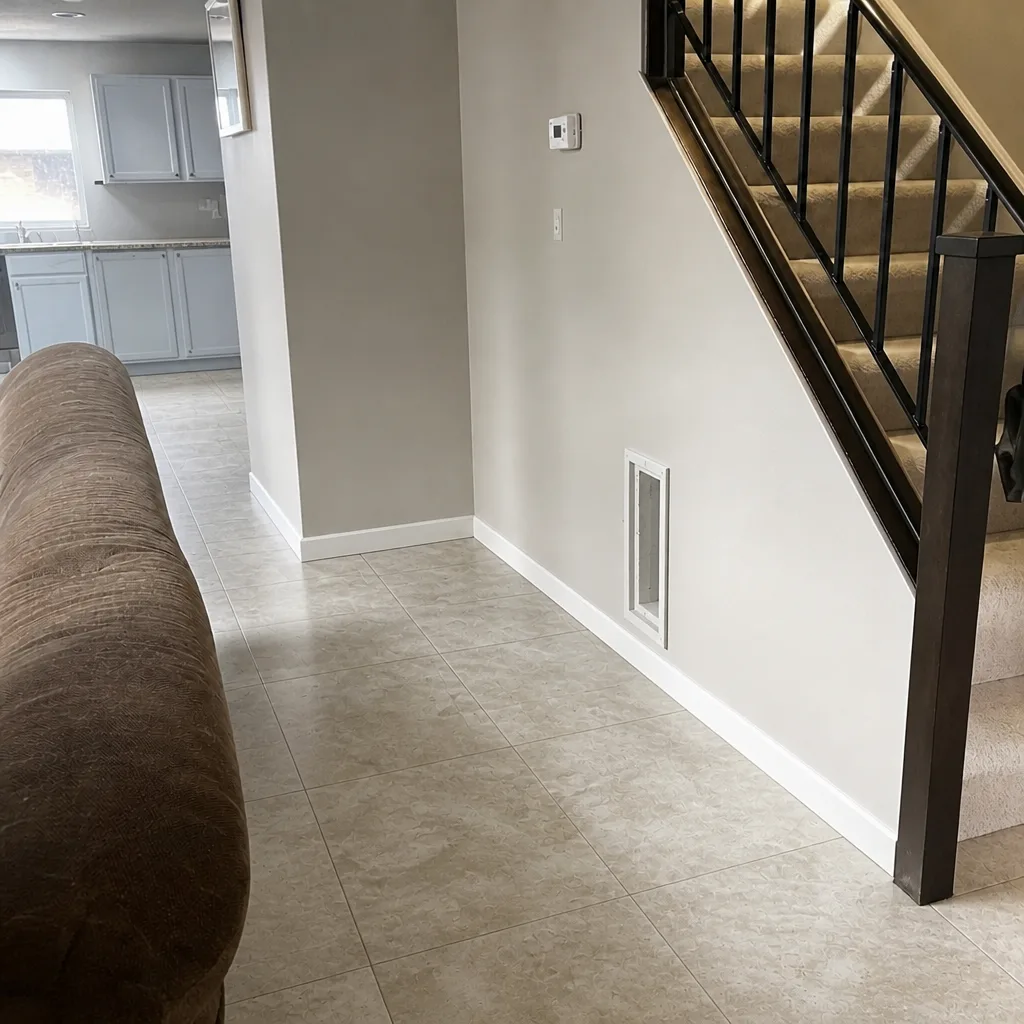 After
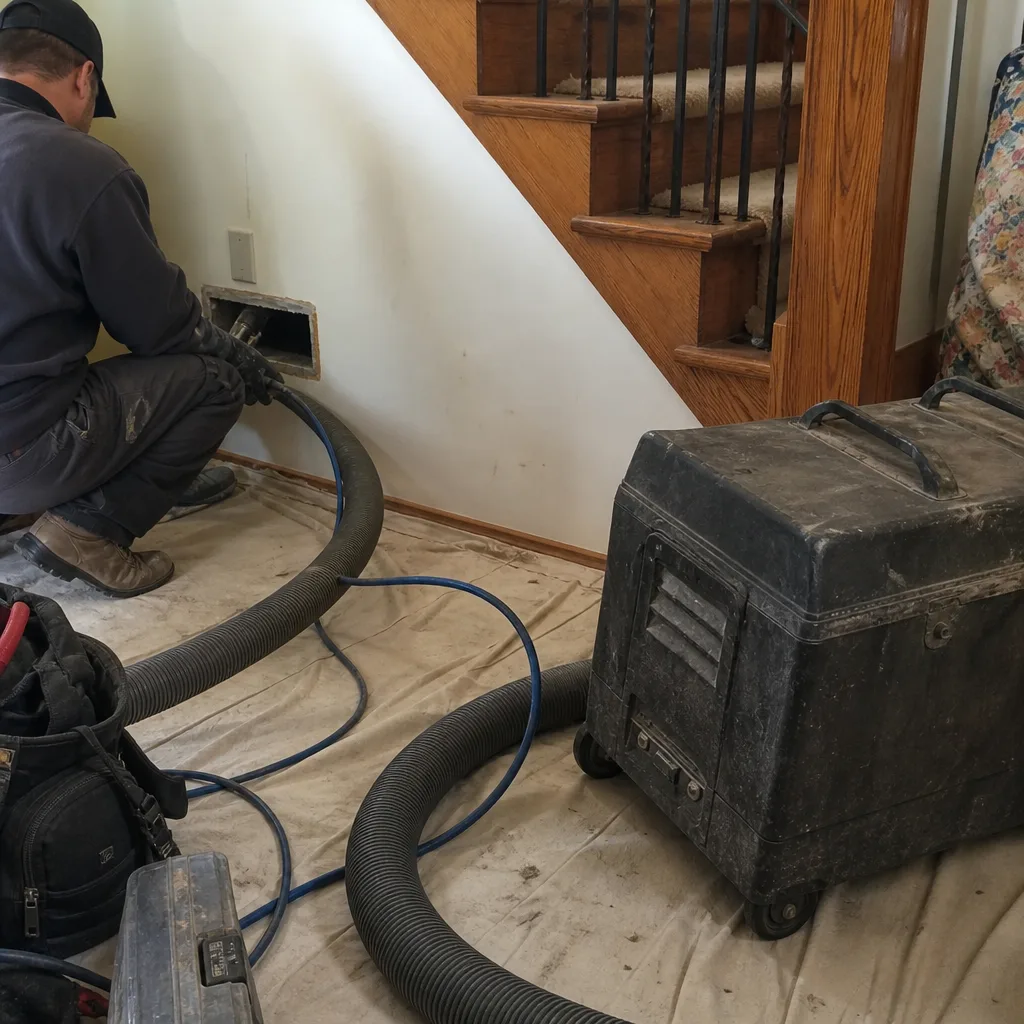 Before
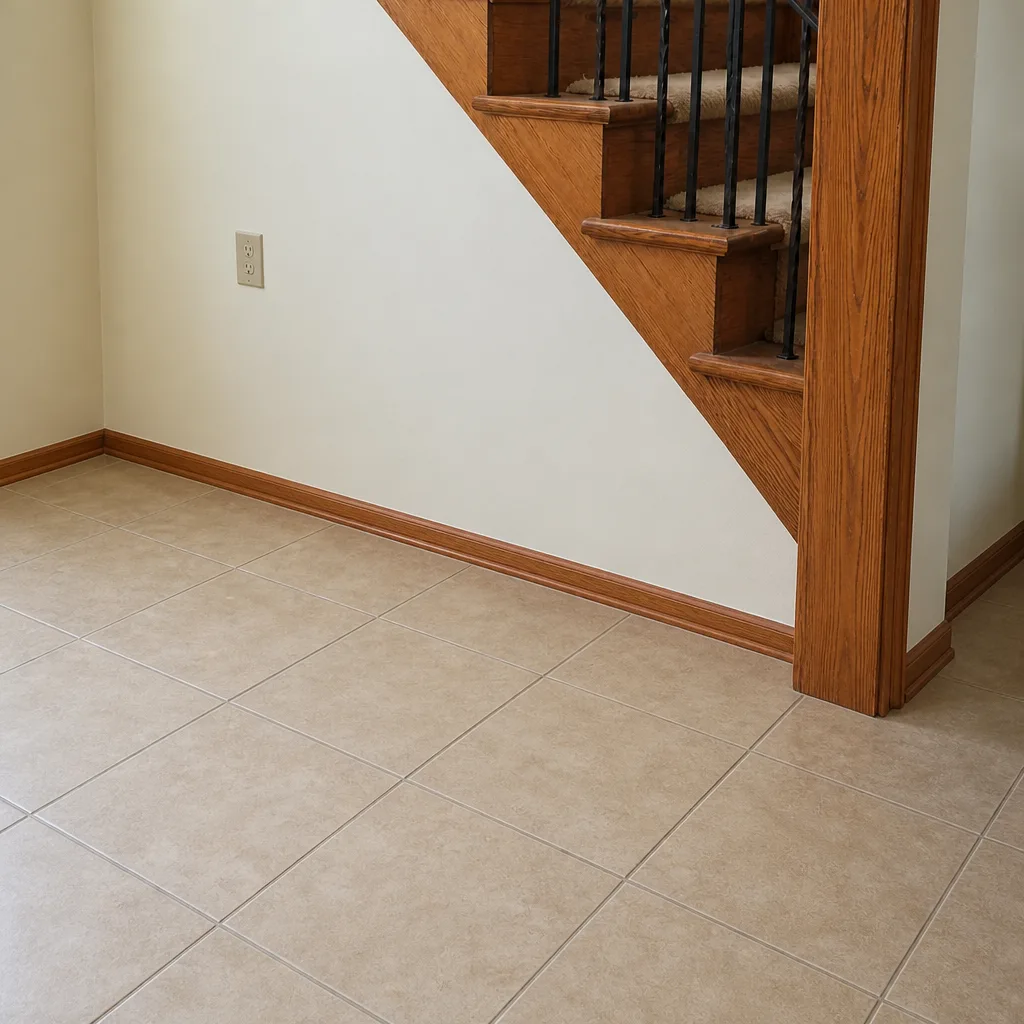 After
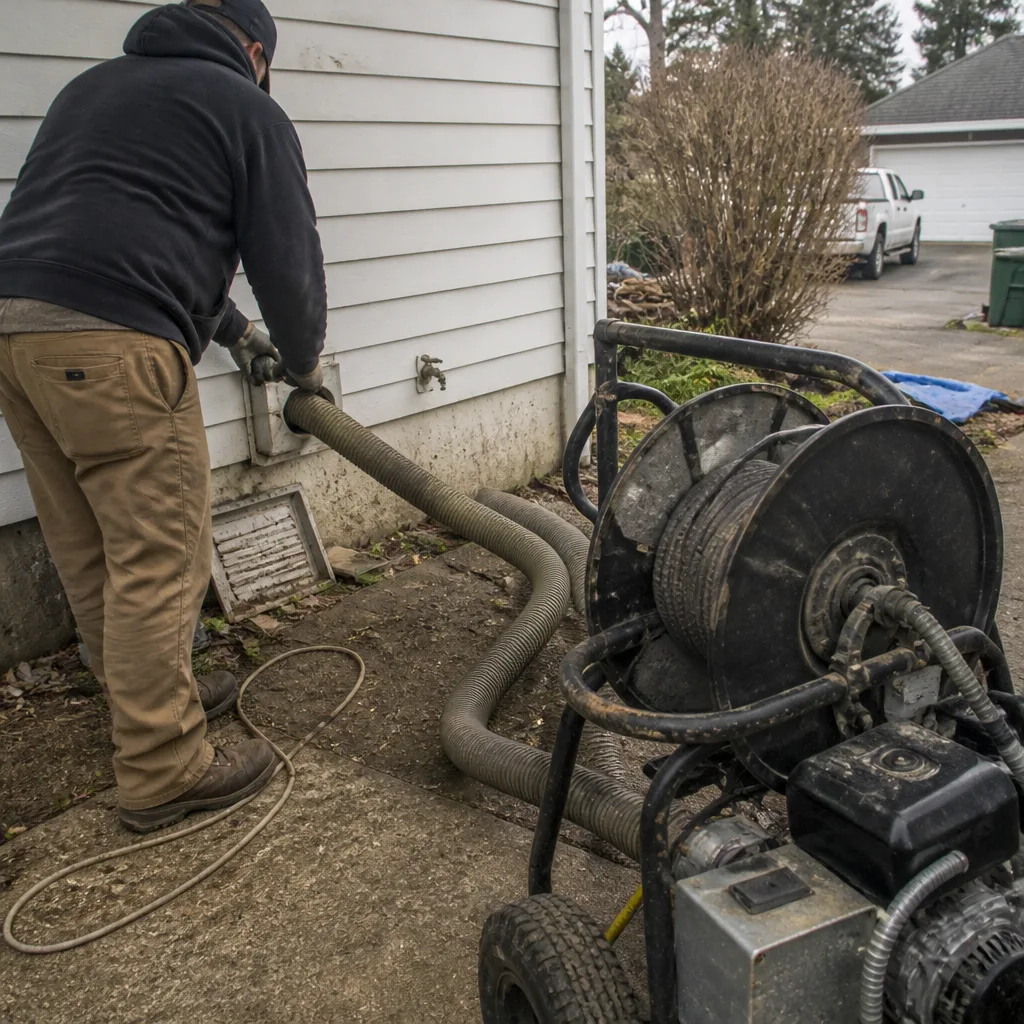 Before
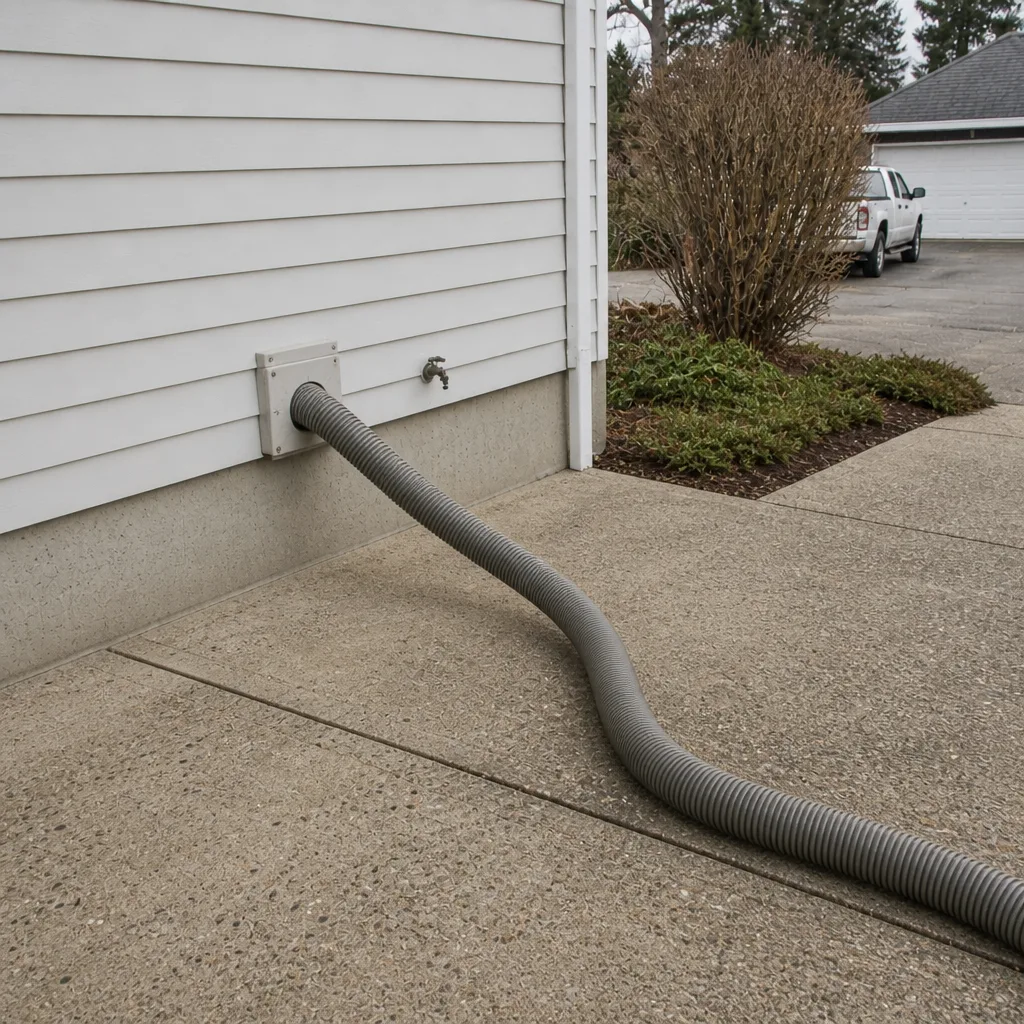 After
Frequently Asked Questions
Cost varies with system size, condition, and scope, and the written estimate sets the final price. Expect whole-system pricing rather than per-vent, and expect the estimate to itemize what’s included so you can compare two quotes line by line. Call (877) 703-6064 for a free estimate specific to your home.
No, because Washington does not license air duct cleaning as a trade. That means NADCA membership, liability insurance, equipment specifics, and a documented process are the checks that actually matter here. Ask for all four before booking.
Camera inspection before and after, plus a written report you receive before final payment. If a contractor can’t show you footage of your own ducts and give you a report, you have no way to verify what happened. Ask for both in the estimate.
Cheap quotes usually skip containment, skip camera inspection, clean only the visible supply registers, and price per vent so the invoice grows after the visit. The lower number reflects a smaller job, not a better value. Compare scope first, then price.
Most homes in Tacoma don’t need it on a fixed schedule. Plan for it after a remodel, if you have pets, if you’ve noticed a musty smell or dust blowing from registers, or if your system has never had a documented cleaning. If you’re not seeing any of those signals, there’s no urgent reason to book.
Treat it as a red flag. A legitimate estimate requires a look at the system, so a price quoted before anyone has opened a register is a number being guessed. Ask for a written estimate after inspection, and get it in writing before any work starts. Call (877) 703-6064 if you want a second opinion on a quote you’ve been given.
The Bottom Line
Hiring an air duct cleaning contractor in Tacoma comes down to four checks: NADCA membership, the five equipment questions, written per-system pricing, and camera verification with a report before final payment. Washington’s missing license means those checks are your only protection, but they’re enough to separate a real operation from a vacuum-and-run crew. If you want to see how a full-system visit works in practice, our Tacoma Air Duct Cleaning Experts overview lays it out, and our team is ready to walk through an estimate with you.
Written by the team at Tacoma Air Duct Cleaning Experts.