
Last updated November 23, 2026
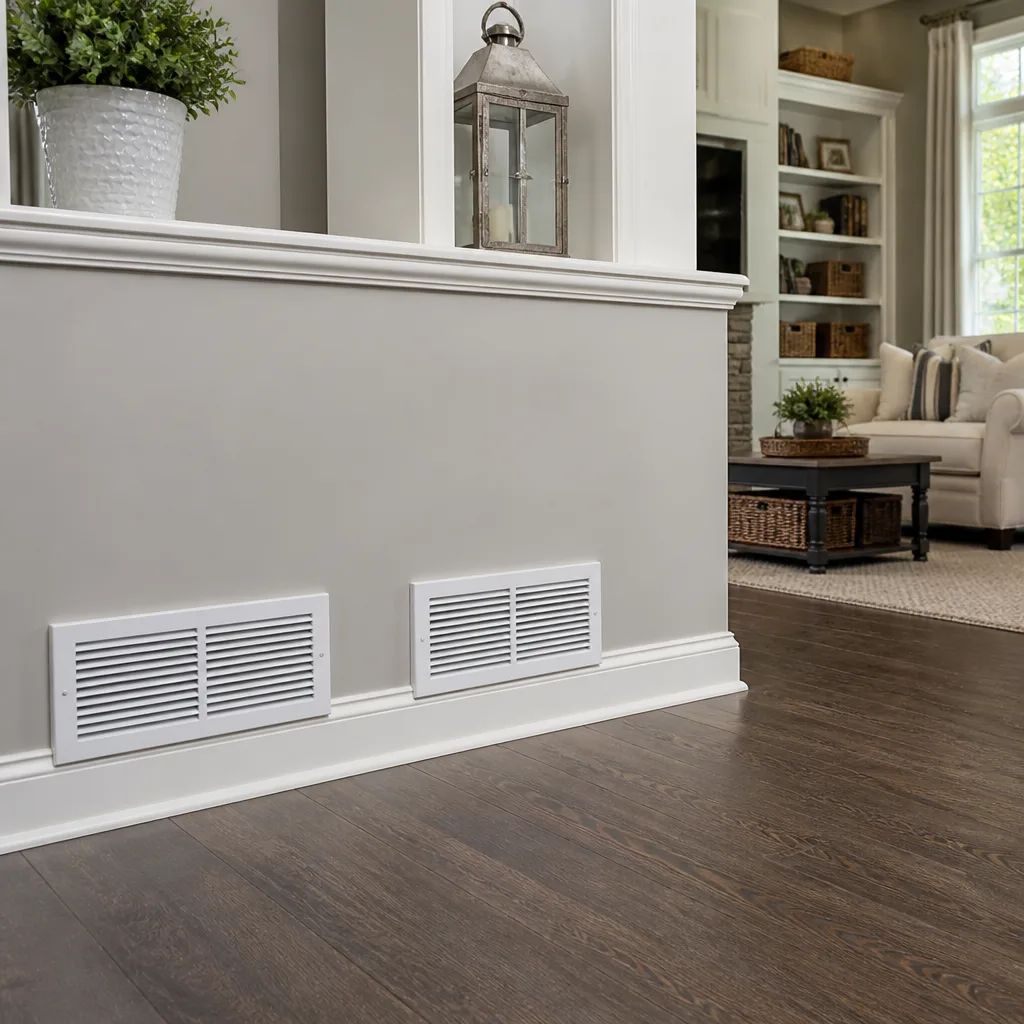 Whole-home duct cleaning
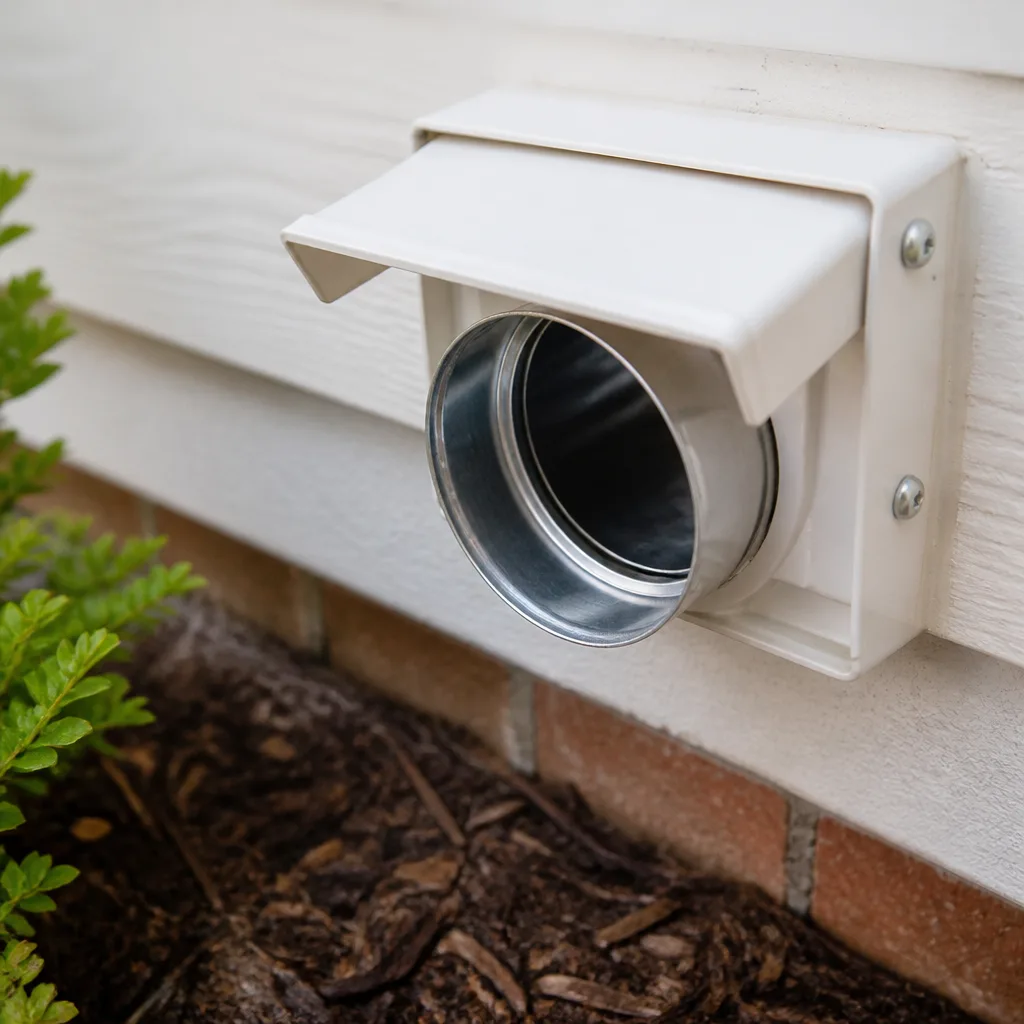 Dryer vent cleaning
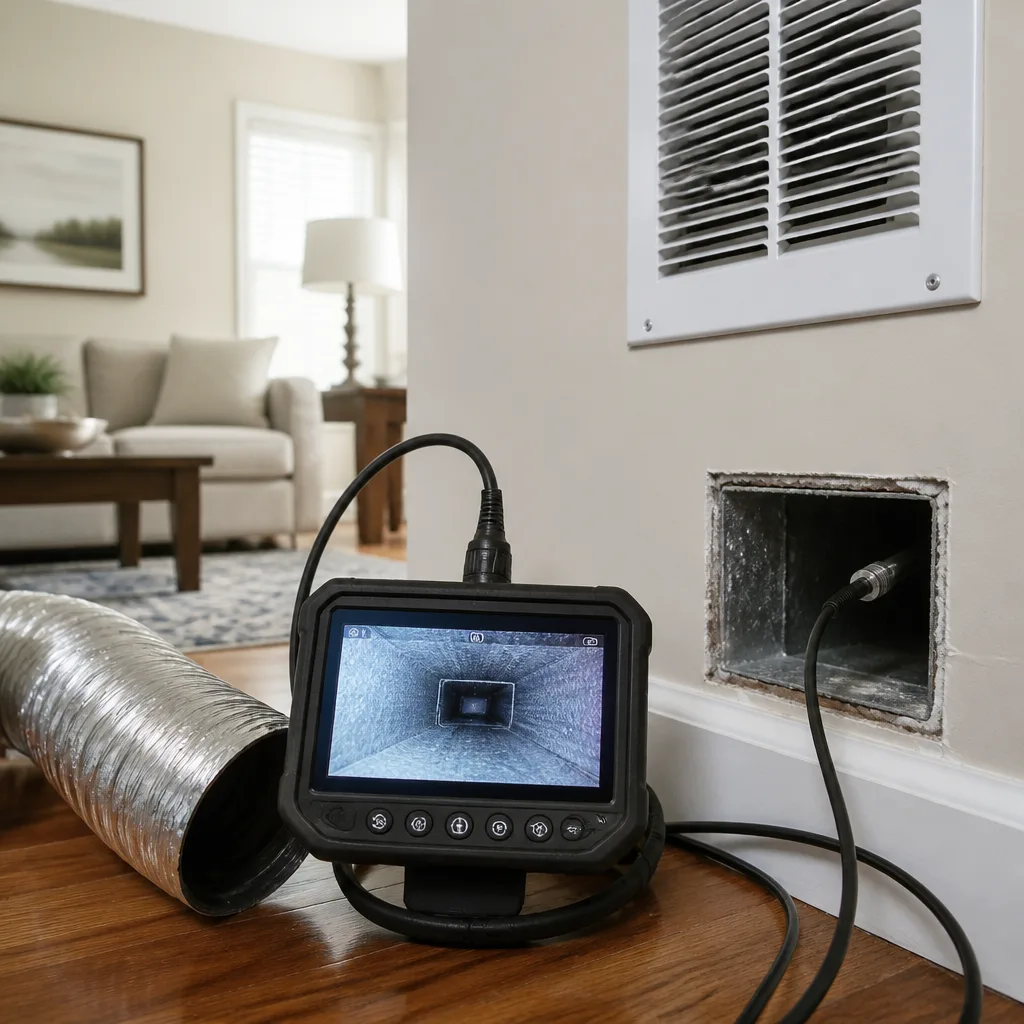 Camera inspection
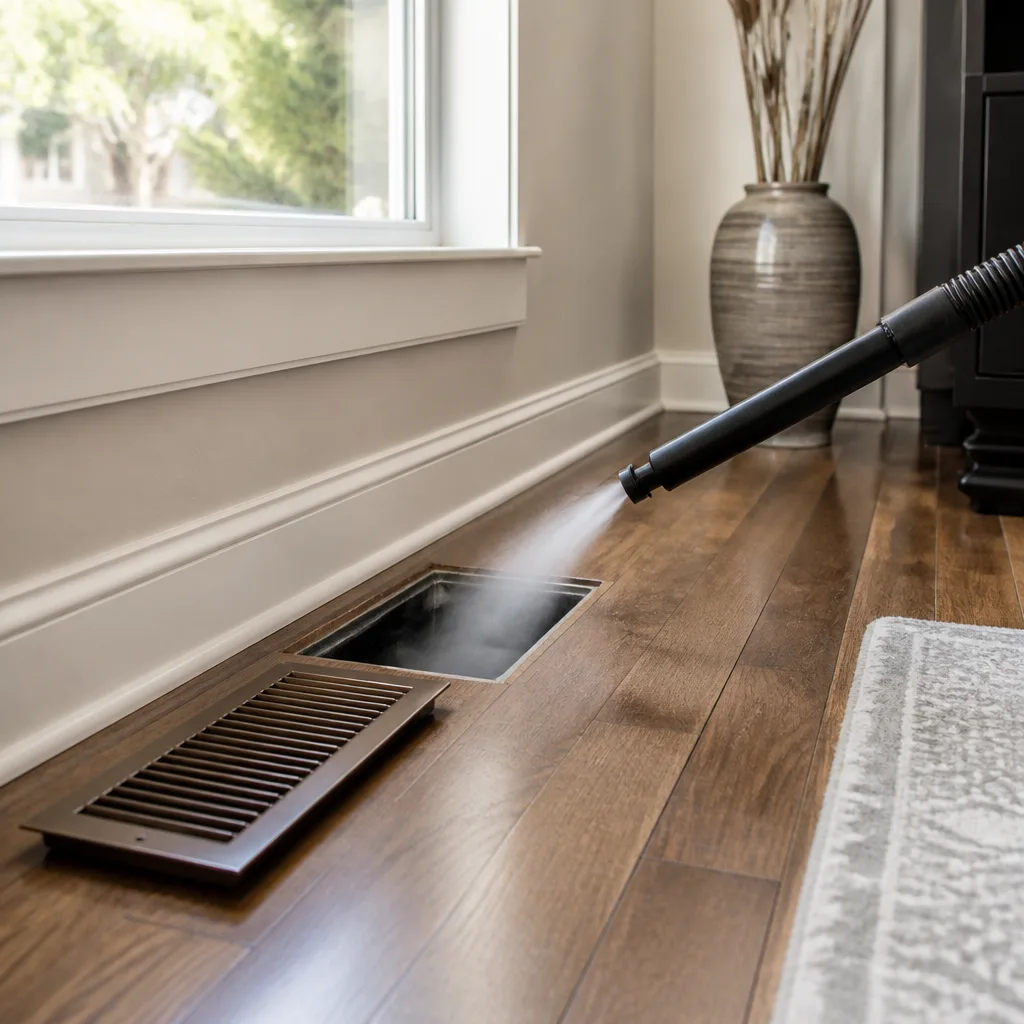 Sanitizing & deodorizing
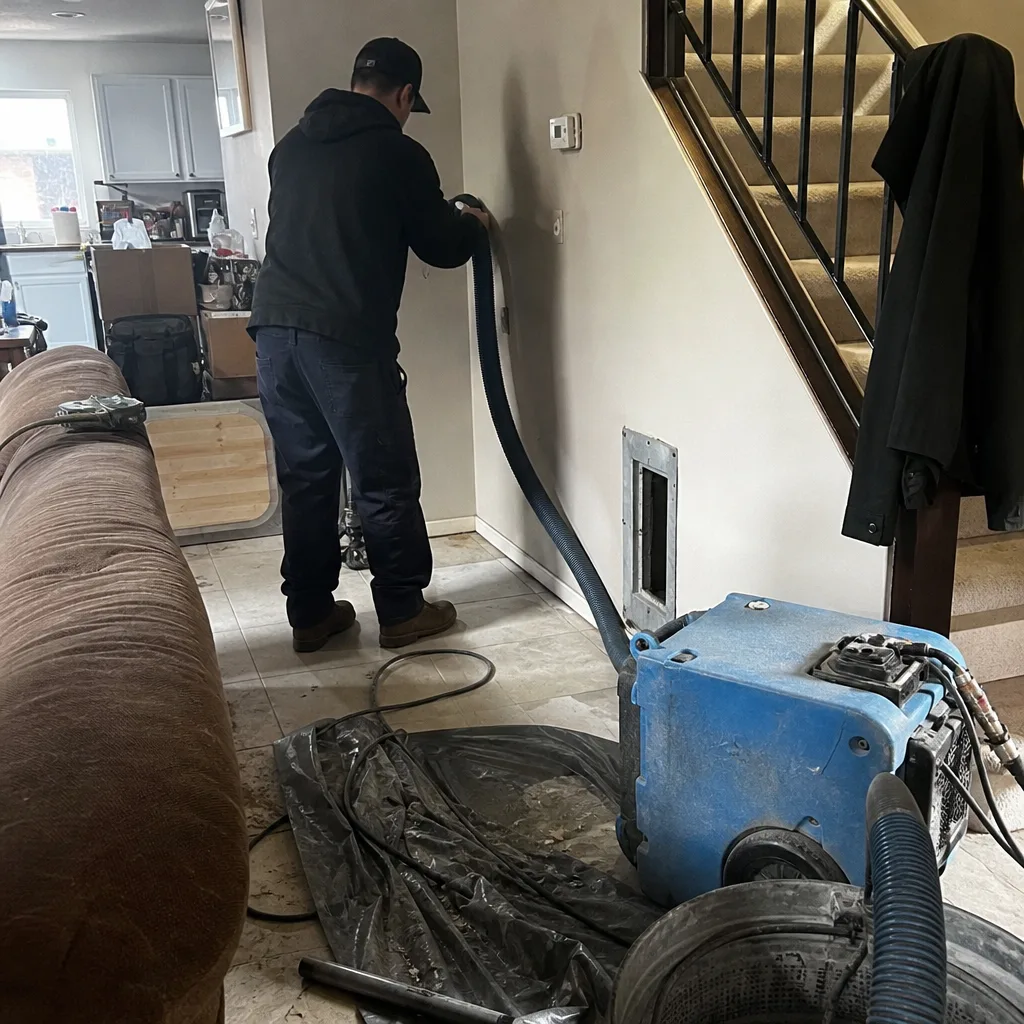
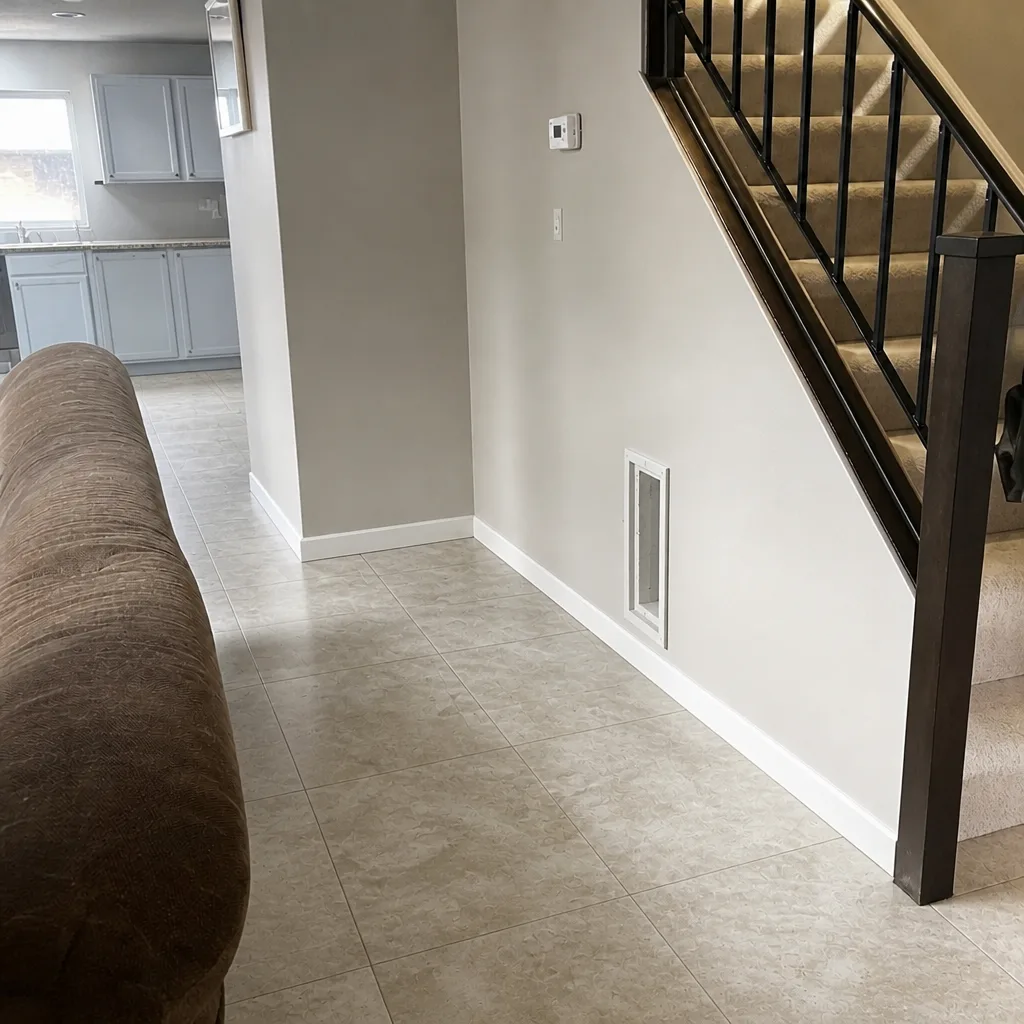
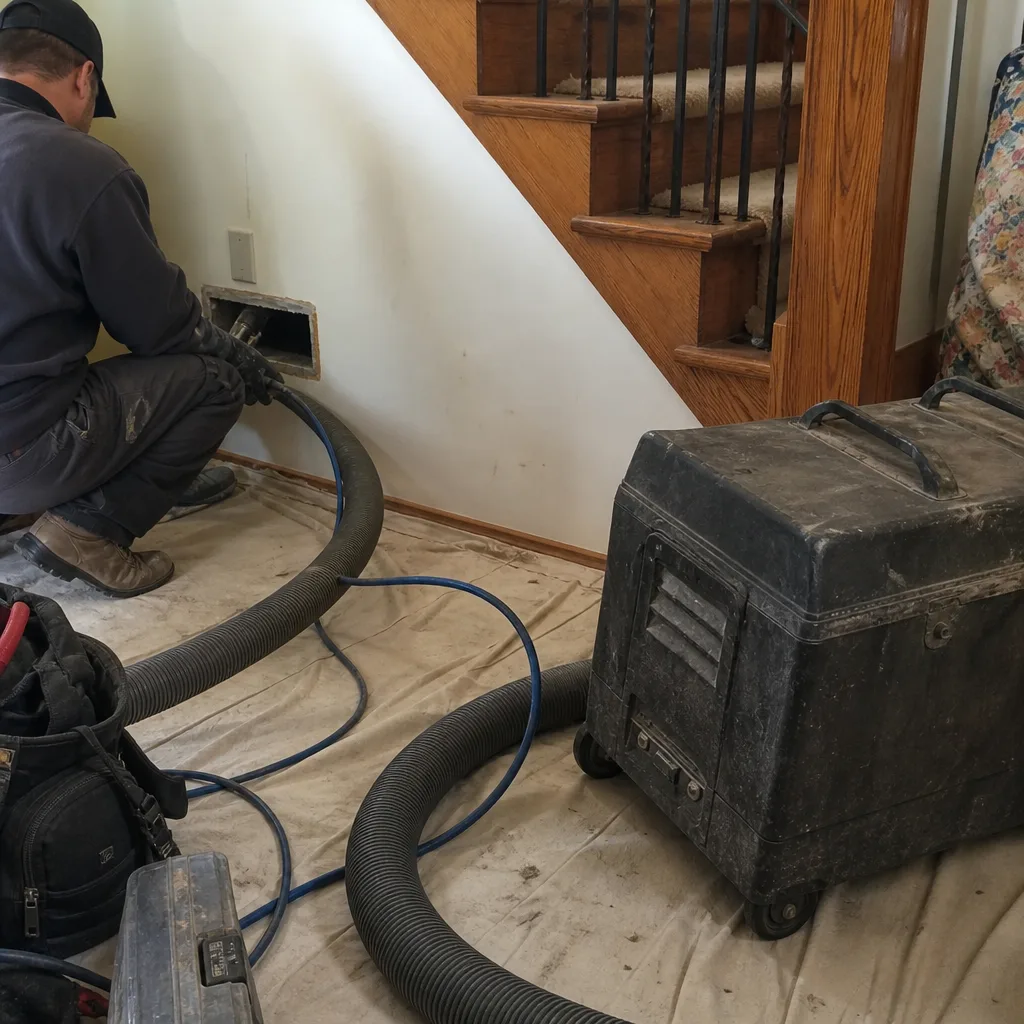
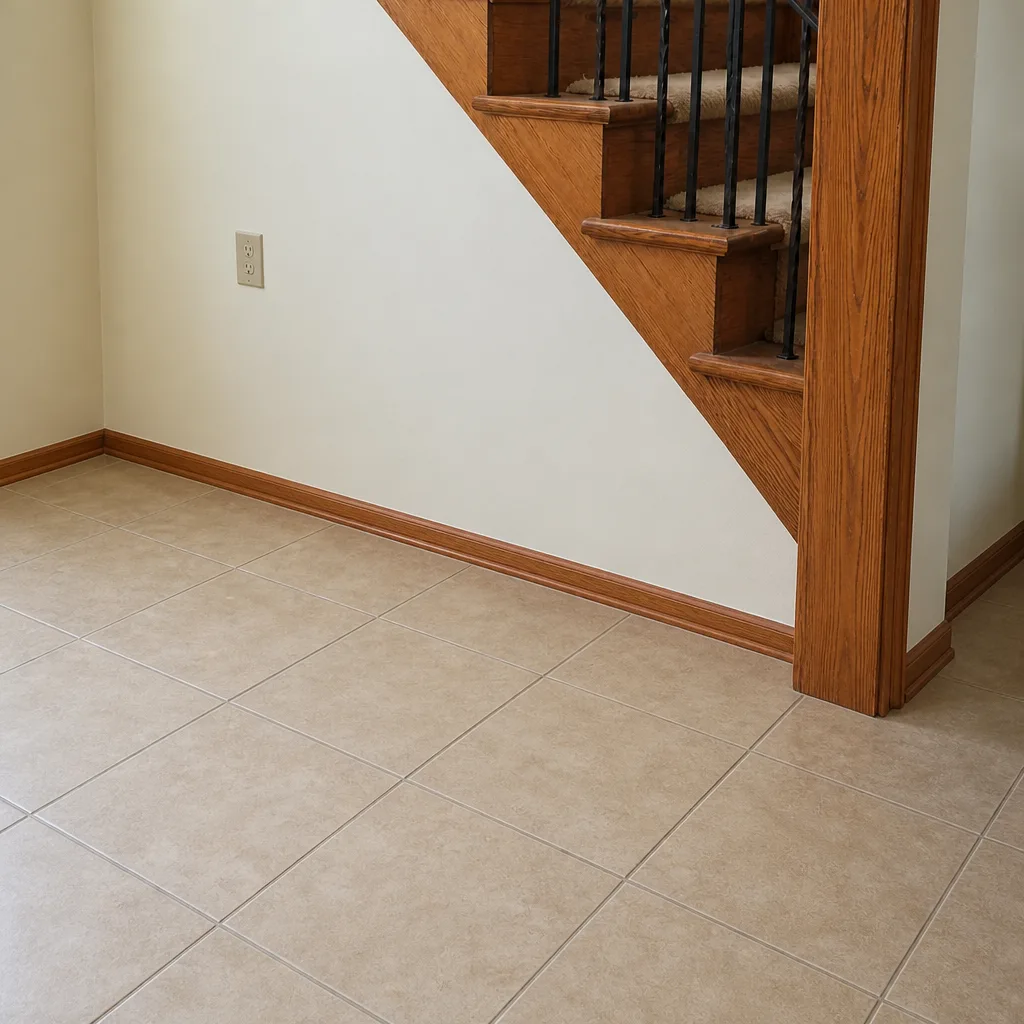
Whole-system duct and dryer vent check with before-and-after photos - you see exactly what came out of your vents
That "$99 whole-house special" is a bait ad - the real number appears once they are in your hallway, or the "clean" is a shop-vac at the register. We photograph the inside of your ducts before and after instead.
The Complete Guide to Air Duct Cleaning in Tacoma
Here’s a hard truth about this industry: a truck-mounted vacuum running in your driveway doesn’t mean your ducts got clean. It means a machine ran. The visible part of the job looks handled, the invoice gets signed, and the ducts are left in whatever condition the technician skipped. Most homeowners in Tacoma have no framework for telling a real full-system job from a half-finished one, so they default to the price on the coupon. This guide maps the complete process from inspection through verification, explains what each phase does and what skipping it costs, and gives you the vocabulary to hold any contractor to the standard we hold ourselves to. Read it and you’ll know what a finished job actually looks like.
Styles & brands we work with
- Whole-home duct cleaning
- Dryer vent cleaning
- Camera inspection
- Sanitizing & deodorizing
Quick Answer
A complete air duct cleaning in Tacoma involves five distinct phases: inspection, mechanical agitation, negative pressure extraction, duct sealing, and airflow verification. If any one of those phases is skipped, the job is incomplete – the system can look clean at the registers while the interior ductwork and air handler remain contaminated. The contractor’s post-clean report should include photographic evidence of the duct interior, static pressure readings, and airflow measurements taken before and after service.
Table of Contents
- Why Tacoma’s Marine-Influenced Humidity Changes the Job
- The Five Phases of a Complete Duct Cleaning
- Supply Ducts, Return Ducts, and the Air Handler: Why All Three Need to Be Cleaned Together
- Equipment Benchmarks: What Separates a Professional Job from a Consumer-Grade Attempt
- How to Read a Post-Clean Report: What Your Contractor Should Hand You
- What a Full-System Cleaning Actually Involves on the Day of Service
- Duct Repair and Sealing: The Step Cleaning Alone Can’t Fix
- How Often Does Your System Actually Need This?
- Common Mistakes to Avoid
- When to Call a Professional
- Frequently Asked Questions
- The Bottom Line
Why Tacoma’s Marine-Influenced Humidity Changes the Job
The climate in Tacoma is genuinely different from what most of the country assumes when duct cleaning is described. The region sits under a marine-influenced marine layer for a large share of the year, with extended stretches of cool, damp air and humidity that stays elevated even during dry weeks. This matters for the interior of your HVAC system in ways it doesn’t for a house in Spokane or Boise.
Duct liner – the fibrous, acoustic lining inside many older supply trunks and metal duct assemblies – is an organic material. Under sustained relative humidity above roughly 60 percent, liner becomes a viable surface for biological growth. That’s not speculation; it’s why remediation standards treat porous liner as a distinct category from bare galvanized sheet metal. A Tacoma house with original ductwork from the 1970s or 1980s and no sealed duct envelope is the typical case we see. The interior surface stays damp, dust accumulates and settles, and the combination of moisture plus dust plus a food source (the liner adhesive and fiber) creates conditions a dry-inland climate simply doesn’t replicate at the same frequency.
What does this mean for you as a homeowner in Tacoma? Three things:
- Visual confirmation of the duct interior matters more here. You cannot assess mold colonization from the register grate. A camera inspection of the liner is the only way to see it.
- Sanitizing is not an upsell in this climate. Where the moisture load is sustained, the final sanitizing step is what keeps cleaning results durable. Skipping it means regrowth within a season.
- Sealing becomes a moisture issue, not just an efficiency one. Leaky return plenums in crawl spaces pull Tacoma’s damp subfloor air directly into the supply stream, which reintroduces moisture to duct interiors that were just cleaned. Air handlers in crawl spaces and garages are common in older Puget Sound housing, and unsealed connection points at those units pull ambient air around the furnace and into the living space.
Compare this to a dry-climate house where duct cleaning is primarily a dust and allergen job. In Tacoma, it’s a dust, allergen, and moisture-management job. That’s a different service standard, and it should be priced and performed accordingly.
The Five Phases of a Complete Duct Cleaning
The phrase “air duct cleaning” gets used loosely. In a complete job, it means five specific phases performed in order, each of which depends on the one before it. Skip a phase and the others lose value. Here is the sequence we follow, and the sequence you should expect from any contractor working in Tacoma.
Phase 1: Inspection. A camera survey of the trunk lines, branch runs, and air handler interior before any equipment is connected. The goal is to establish a baseline: dust depth, presence of debris, liner condition, moisture staining, and the number and location of removable registers. Findings should be photographed. This is also where the contractor confirms whether the system has any damaged flex duct, disconnected sections, or pest intrusion.
Phase 2: Mechanical agitation. A powered rotating brush or air whip is sent through every branch run to break contamination loose from the duct walls. Without agitation, the vacuum in Phase 3 pulls loose surface dust but leaves what’s adhered. Rotobrush equipment is purpose-built for this phase – a rotating brush head on a flexible shaft that reaches the full length of the run and scrubs the liner.
Phase 3: Negative pressure extraction. A high-capacity vacuum unit is connected to the main trunk and pulls the loosened contamination out of the system. Negative pressure ensures that loosened material leaves through the vacuum, not through the registers and into the living space. This is where professional equipment matters most.
Phase 4: Duct repair and sealing. After cleaning, the duct envelope is inspected for gaps, disconnected joints, torn flex duct, and unsealed plenum connections. Sealing closes those gaps. Skipping this step leaves the system open to pulling unfiltered air back in immediately – which is exactly what we describe in the repair section below.
Phase 5: Verification. Post-clean measurements confirming that airflow and static pressure are in the expected range, and camera evidence of the duct interiors. Without verification, you have no way of knowing the job was completed.
The critical point is this: skipping any phase compromises the rest. Skip agitation, and the extraction only gets surface dust. Skip sealing, and the cleaned ducts reconnect to unfiltered air the moment the system turns on. Skip verification, and you have no proof of anything. It’s the same reason a pressure test follows any sealed system – otherwise the work is unaudited.
Supply Ducts, Return Ducts, and the Air Handler: Why All Three Need to Be Cleaned Together
Many “duct cleaning” services offered in Tacoma are supply-duct-only jobs. The reasoning is straightforward: supply ducts are visible behind the registers. Homeowners can lift a return grille and look at the dust, so a contractor can point to the return and say “yep, that’s dirty, we’ll clean it” – but the supply side is what most people think of as “the ducts.”
That’s an incomplete picture. Your system has three interconnected zones, and contamination migrates between them continuously:
- Return ducts pull air from the living space and deliver it to the air handler. By volume, returns carry the most dust load because they’re unfiltered on the grille side. A dirty return delivers dust directly to the blower and evaporator coil.
- The air handler contains the blower wheel, the evaporator coil, and the filter rack. A blower wheel caked with dust loses efficiency, and a dirty evaporator coil loses cooling capacity and becomes a moisture-retention surface. Cleaning the supply ducts while leaving the air handler dirty means you push air through a contaminated box before it enters the clean trunk.
- Supply ducts distribute conditioned air to the registers. If they’re cleaned but the return and air handler aren’t, contamination from the return side re-enters the supply trunk within one operating cycle.
In practice, this means a complete job in Tacoma requires all three zones in the same service session. A contractor who proposes supply-only cleaning is doing two-thirds of a job and leaving the source of the contamination in place. When we clean a system, we clean the whole chain: register grilles, branch runs, trunk lines, return drop, air handler box, blower wheel, evaporator coil (accessed carefully to avoid bending fins), and the drain pan.
The reason this matters for indoor air quality specifically: any air that reaches your living room has passed through the return, the air handler, and the supply side in that order. If the weakest link is dirty, the air quality at the register reflects the weakest link, not the cleanest one. Reaching for the air duct cleaning phase without addressing return or air handler work is why some homeowners report no noticeable improvement after a cheaper job.
Equipment Benchmarks: What Separates a Professional Job from a Consumer-Grade Attempt
Not all vacuum rigs are created equal. When you see “air duct cleaning” quoted at very low prices, a common explanation is that the equipment being used doesn’t meet the airflow needed to pull contamination out of a residential system. Here are the benchmarks we think you should know, and what they mean in practice.
4,000 CFM minimum. Professional truck-mounted vacuum units move air at airflow measured in cubic feet per minute (CFM). For a residential duct system, 4,000 CFM is the minimum floor that gives you enough negative pressure to extract loosened debris from the far end of a run. Consumer-grade or portable units running at fractions of that airflow can loosen dust but cannot reliably evacuate it.
Rotobrush and Nikro mechanical systems. These are the industry reference for powered agitation and extraction. A shop vac with a hose attachment is not that. Rotobrush equipment uses a rotating brush on a flexible shaft to reach the full run, and Nikro extraction equipment handles the air volume and filtration. Both are names professional restoration crews rely on because they’re purpose-built for the job.
Abatement Technologies filtration. During cleaning, the goal is contained air. Abatement Technologies filtration equipment is remediation-grade – the same equipment category used in mold and hazardous-material containment – and it serves one function: to keep what’s being removed from re-entering the living space. If a contractor isn’t running HEPA-grade filtration during service, the process is technically open, not contained.
Camera and pressure instrumentation. Post-clean verification requires a duct-inspection camera, a manometer for static pressure, and an airflow meter. Without these, the “verification” phase can’t be performed and the post-clean report can’t be written accurately.
Here’s the practical translation: when you get quotes for air duct cleaning in Tacoma and one is dramatically cheaper than another, the gap usually comes from equipment they don’t have on the truck and phases they don’t perform. That’s not a savings; it’s a different, lesser service with the same name.
How to Read a Post-Clean Report: What Your Contractor Should Hand You
The post-clean report is the deliverable. It documents whether the work was done, and it’s what any competent contractor should be able to produce as a matter of routine. If your contractor hands you a receipt with a stamped “clean” and no data, the job was unaudited. A proper report for a Tacoma home should include the following, all with measurements taken before and after service:
- Static pressure readings. Static pressure in the supply and return plenums, measured with a manometer. Elevated static pressure before service is a sign of restriction; a drop after service confirms the system is moving air more freely. If a contractor doesn’t measure static pressure, they can’t confirm the system airflow was affected.
- Airflow measurements (CFM). Total system airflow and, ideally, per-register readings where feasible. Airflow below the equipment’s rated CFM is a red flag; airflow restored to rated value is the point of the job.
- Photographic evidence of duct interiors. Camera footage or still images of the duct liner before and after cleaning – not photographs of the register grilles, not photographs of the vacuum unit. Interior liner shots. If they claim the ducts are clean, they should be able to show you.
- Air handler photographs. The blower wheel and evaporator coil, before and after. These are the tell: if the report shows a clean blower wheel and coil, the air handler was part of the job.
- Repairs identified and completed. Any disconnected runs, torn flex duct, or unsealed joints that were found during inspection, and what was done about them. If repairs are recommended but not completed, the report should itemize them.
- Sanitizing confirmation. The product category used, the areas treated, and whether duct liner was among them. In Tacoma’s humidity, this is a material part of the record.
The reason this matters: any contractor can hand you before-and-after photographs of your own system because they took them on the day of service. What you should be able to hold them to is the specificity. A generic “job complete” stamp doesn’t tell you anything you didn’t already know at the register. A report with static pressure, airflow, and interior liner footage does.
What a Full-System Cleaning Actually Involves on the Day of Service
One of the underrated parts of this job is that we’re working inside a home that isn’t ours. That means surface protection first, equipment placement second, and cleaning third. Here’s how a typical full-system visit happens, in broad strokes, so you know what to expect if you book with us or with another qualified contractor in Tacoma.
Arrival and setup. Floors and furnishings adjacent to registers are protected with drop cloths and guards – details matter, and protecting surfaces during work is part of that. The vacuum unit connects to the main trunk outside or at the closest accessible point, typically at the air handler or a dedicated access port. Access ports are cut where required (and resealed after service). Filters come out and the filter rack is photographed for baseline.
Register and branch-run cleaning. Each register is removed, cleaned off-site or in a wash station, and each branch run is agitated with a rotating brush and simultaneously extracted under negative pressure. Registers get reinstalled with new sealing tape or gaskets where needed.
Trunk and return cleaning. The main trunk and return drop get the same agitation-plus-extraction treatment with larger-diameter rotation tools. Access panels on the return drop are opened for cleaning, and resealed afterward.
Air handler service. Blower wheel is cleaned (carefully – bent blower fins throw the wheel off balance). Evaporator coil is cleaned from both sides if accessible without fin damage. Drain pan is cleaned and the drain line is flushed. Any biological growth on the coil or drain pan is treated and documented.
Sealing and repair. Disconnected joints, torn flex runs, and unsealed plenum connections are sealed before the system is returned to service. This step converts the cleaning into a durable result rather than a temporary one.
Sanitizing and verification. Duct interiors are treated, the system is reassembled, static pressure and airflow are re-measured, and the report is written before leaving. Photographs of all four zones (return, air handler, trunk, supply) go in the report and get reviewed with the homeowner on-site.
The visit typically runs several hours depending on system size and contamination level. This is a scheduled job, not a quick stop. Speed isn’t the point; thoroughness is. If a technician is finished in ninety minutes on a typical Tacoma home with multiple zones, they skipped something.
Duct Repair and Sealing: The Step Cleaning Alone Can’t Fix
If you take one point from this guide, let it be this: cleaning and sealing aren’t optional alternates – they’re consecutive steps in a complete job. Cleaning a system with leaky ductwork means you’ve cleaned a system that will fill back up.
In Tacoma homes, common duct defects we see include:
- Torn or disconnected flex duct in attic and crawl-space runs, especially where rodent activity or installation stress has pulled sections apart at the collar
- Unsealed joints at the furnace plenum and main trunk connections – the classic “lost 20 percent of your air before it got to the register” leak path
- Access panels on the return drop that were opened during previous service and never re-taped, drawing attic or crawl-space air into the return
- Unsealed penetrations at floor boots under carpet or trim, allowing room air, attic air, or subfloor air to blend into the supply
- Liner damage where the internal duct lining has delaminated, exposing fiberglass to the airstream
The sealing step addresses each of these with mastic, foil tape, and, where appropriate, mechanical fasteners. Sealed ductwork means the air you paid to condition reaches the register instead of leaking into a crawl space. It also means the return doesn’t pull unfiltered Tacoma air back into the system you just cleaned.
Duct repair and sealing is often the single highest-value part of a full-system visit precisely because it addresses the root cause. Cleaning removes what accumulated. Sealing removes the pathway that let it accumulate in the first place. If the contractor performing the cleaning doesn’t offer sealing, the job is functionally incomplete even if the ducts are spotless on the day of service.
Similarly, HVAC cleaning is a separate discipline from duct cleaning and deserves its own attention – the air handler, coils, and blower are a different equipment class than the ductwork, and cleaning them requires different tools and technique.
How Often Does Your System Actually Need This?
There’s no single number that applies everywhere, but for the Tacoma climate, the general recommendation is every three to five years for a typical single-family home. That shifts toward the three-year end in a few specific situations:
- Homes with pets, especially multiple pets or long-haired breeds. Pet dander loads the return side faster than human occupancy alone.
- Homes with occupants who have respiratory sensitivity, asthma, or allergies. Cleaning frequency should reflect the sensitivity of the occupants, not just the dust load.
- Homes with original 1970s or 1980s ductwork and unsealed systems. The combination of liner age plus moisture plus duct leakage in a damp Tacoma climate is a “clean more often” signal.
- Homes that have recently had renovation or remodeling work. Drywall dust and construction debris migrate directly into the return system.
- Homes with visible dust accumulation at the registers within days of cleaning. That’s a sign of an unresolved leak or supply-side contamination source that needs diagnosis.
Homes with sealed ductwork, modern liner, and an active filter maintenance routine can stretch toward five years. If you’ve just bought a house in Tacoma and don’t know the service history of the system, one full-system cleaning establishes a baseline and tells you what you’re dealing with going forward.
One adjacent service worth noting: dryer vent cleaning is not a duct cleaning service, but it’s often overlooked by both homeowners and HVAC-only contractors. Dryer vents accumulate lint at a rate that has nothing to do with the duct system, and it’s a fire-safety matter rather than an air-quality one. If a contractor offers full-system service and dryer vent work is missing from the list, that’s a gap worth flagging.
Common Mistakes to Avoid
- Hiring on price alone. The lowest quote almost always corresponds to a supply-only cleaning with portable equipment and no verification phase. Two quotes that look $200 apart often represent a $700 gap in the scope of work performed.
- Not asking for post-clean photographic evidence of the duct interior. Before-and-after shots of registers don’t count. Ask specifically for camera footage of the liner, the blower wheel, and the evaporator coil, and ask whether the report includes them.
- Accepting “the ducts were cleaned” without a static pressure and airflow reading. In Tacoma’s damp climate, airflow measurement matters more than most homeowners realize – a restricted system that gets cleaned still performs poorly if the restriction wasn’t addressed. If the report lacks those measurements, the verification phase was skipped.
- Skipping duct sealing because it “costs extra.” Sealing is not optional for a durable result in a humid climate. Cleaning without sealing is putting new filter media into a system that still draws attic or crawl-space air through every joint gap.
- Cleaning the supply side only. The return and air handler contaminate the supply every operating cycle. A supply-only job is two-thirds of the work at a lower price point, and the results reflect that.
- Letting a contractor skip the sanitizing step to reduce the quote. In a climate with sustained humidity, sanitizing is the step that keeps the cleaning result durable for the full cleaning cycle. Cutting it saves a modest amount up front and leads to re-cleaning sooner.
- Assuming duct cleaning is a fire-safety service. It isn’t. Dryer vent cleaning is. If your dryer is taking longer to dry a load or the exterior vent flap is sluggish, that’s a dryer vent visit, not a duct cleaning visit, and it shouldn’t be deferred.
When to Call a Professional
Some signals are obvious. Visible mold growth around a supply register, a persistent musty smell in the living space that doesn’t clear with cleaning, visible dust plumes from the registers when the system kicks on – those are calls that shouldn’t wait. Others are subtler. A recent remodel, a new-to-you home with unknown service history, or a household member with worsening respiratory symptoms that don’t have an obvious cause are all worth a full-system inspection. So is a system that’s more than a decade old with original ductwork that’s never been sealed.
In Tacoma, we also encourage homeowners to book a full-system inspection before doing annual HVAC replacement work. Replacing the air handler without addressing duct condition means the new equipment inherits the old ductwork’s problems. The inspection takes a few hours and it informs the equipment decision, not just the duct service decision.
Tacoma Air Duct Cleaning Experts offers free estimates in Tacoma – call (877) 703-6064. Our technicians have up to 13 years of experience, and we work with Rotobrush and Nikro professional duct-cleaning equipment. We answer 24/7. Fast dispatch from 7am to 7pm, Sunday through Friday.
Frequently Asked Questions
Estimates for a full-system residential cleaning in the Tacoma area typically run in the range that reflects the scope of work performed – supply, return, and air handler in one session with verification and reporting. We price per job by written estimate rather than a per-vent rate, because per-vent pricing is how a customer ends up with a tempting teaser number that balloons once the technician is on site. The written estimate sets the final price, and there is one flat price per system. Call (877) 703-6064 for an exact quote – estimates are free.
A complete full-system cleaning typically takes several hours depending on the number of zones, system size, and contamination level. Supply-only cleaning is faster but leaves the return and air handler untouched. When you book, ask how many hours they allot and whether the estimate includes all three zones; a job finished in under two hours on a typical home likely skipped a phase. Call (877) 703-6064 if you’d like to talk through what a typical Tacoma job involves.
We remove the register grilles, clean them, and reinstall – the register is where homeowners see the most dust and where the air exits the system, so it needs direct cleaning. Registers that are stuck, painted shut, or improperly fastened are identified during inspection. Skipping register removal means the visible starting point of the airflow never got cleaned. Call (877) 703-6064 for an estimate that covers register cleaning.
You receive a post-clean report with photographic evidence of the duct interiors, the air handler’s blower wheel and evaporator coil, static pressure readings, and airflow measurements taken before and after service. The report is reviewed with you before the technician leaves. If a contractor can’t produce this, the job wasn’t verified. Are you evaluating a quote from someone else? We’re happy to walk you through how to read that report – call (877) 703-6064.
Cheaper quotes are cheaper because the scope is smaller: supply ducts only, portable equipment instead of a truck-mounted vacuum rated at 4,000 CFM or higher, no sealing, no verification, and no report. Those are legitimate differences in the service being delivered, not discounts on the same service. The real comparison isn’t price per quote – it’s price per phase performed. Call (877) 703-6064 for a full-scope estimate you can compare against anything else you’ve received.
Filter maintenance handles a portion of the dust load but doesn’t address what’s already adhered to duct walls, accumulated in the return, or growing on liner in a humid climate. Tacoma’s sustained moisture means liner condition especially gets worse over time regardless of filter habits. A camera inspection during a free estimate will tell you honestly whether the system needs cleaning now or whether you can defer it. Call (877) 703-6064 to schedule one.
The Bottom Line
The complete job is a five-phase process – inspection, agitation, negative pressure extraction, sealing, and verification – and each phase is what makes the next one worth doing. In Tacoma’s climate specifically, moisture management across duct liner, return ductwork, and the air handler is part of the standard, not an add-on. The equipment should meet a 4,000 CFM threshold with Rotobrush or Nikro agitation and remediation-grade filtration, and the post-clean report should give you static pressure, airflow, and photographic evidence of the duct interior. If any of those is missing, ask why before you sign. A finished job is a verified job, and any contractor working in Tacoma should be able to show you that as a matter of routine. If you’d like to see what that process looks like on your own system, our team at Tacoma Air Duct Cleaning Experts is ready to walk you through it.
Call (877) 703-6064 for a free estimate. We answer 24/7. Fast dispatch from 7am to 7pm, Sunday through Friday.
Written by the team at Tacoma Air Duct Cleaning Experts.
See the difference
 Before
 After
 Before
 After
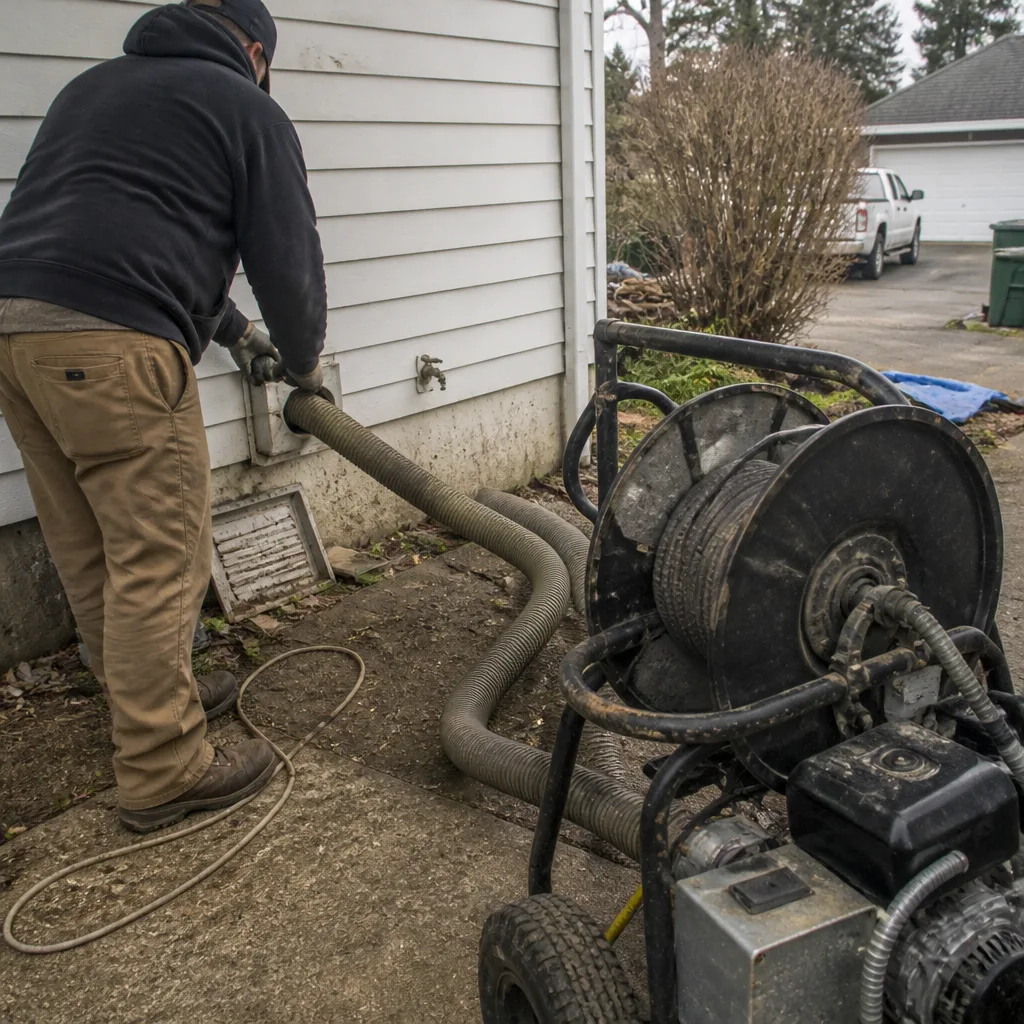 Before
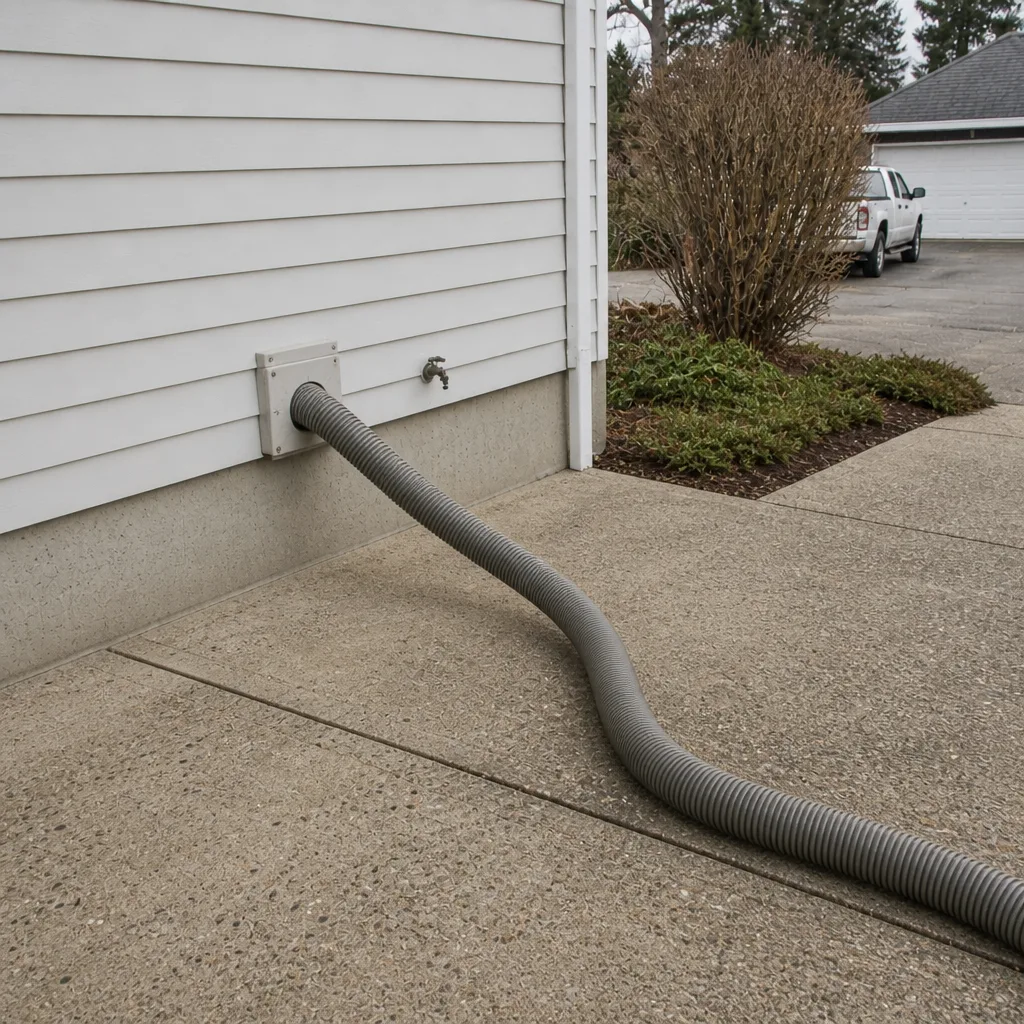 After