
Last updated November 23, 2026
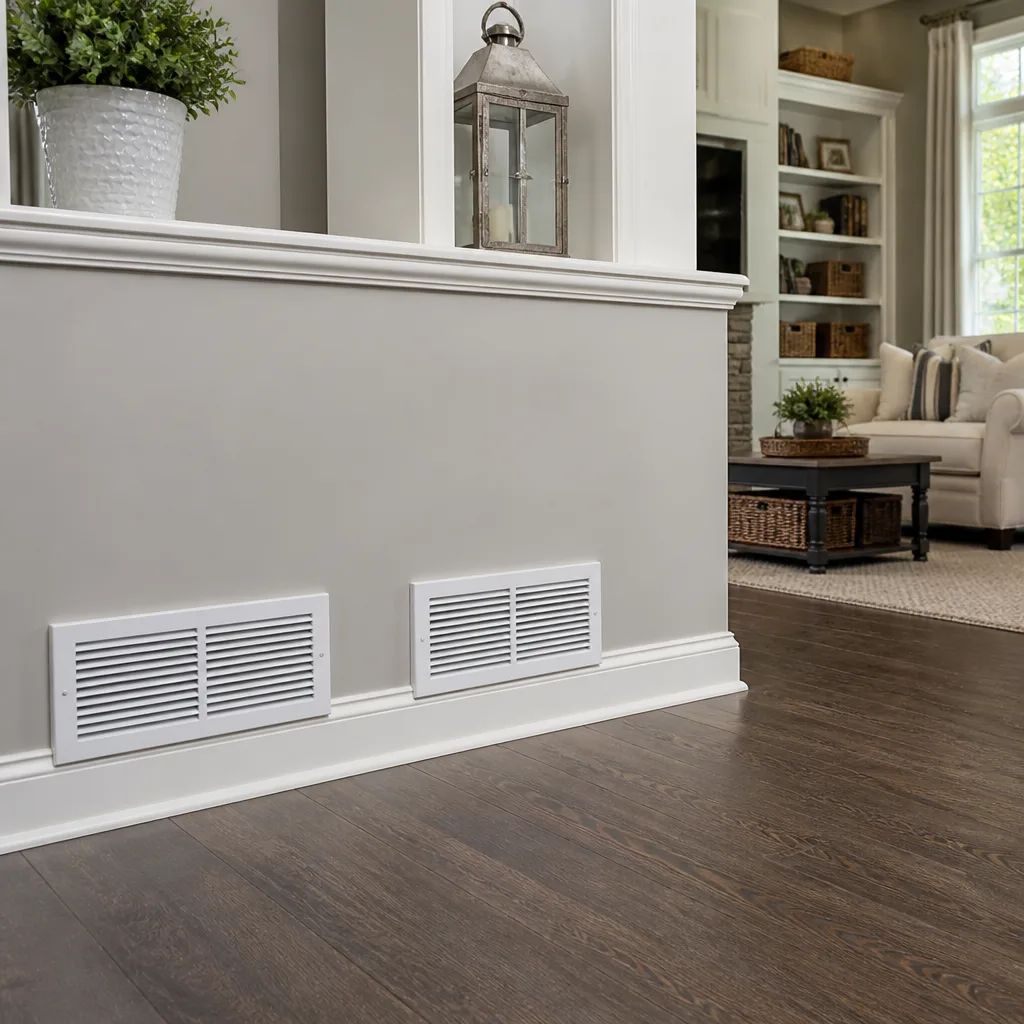 Whole-home duct cleaning
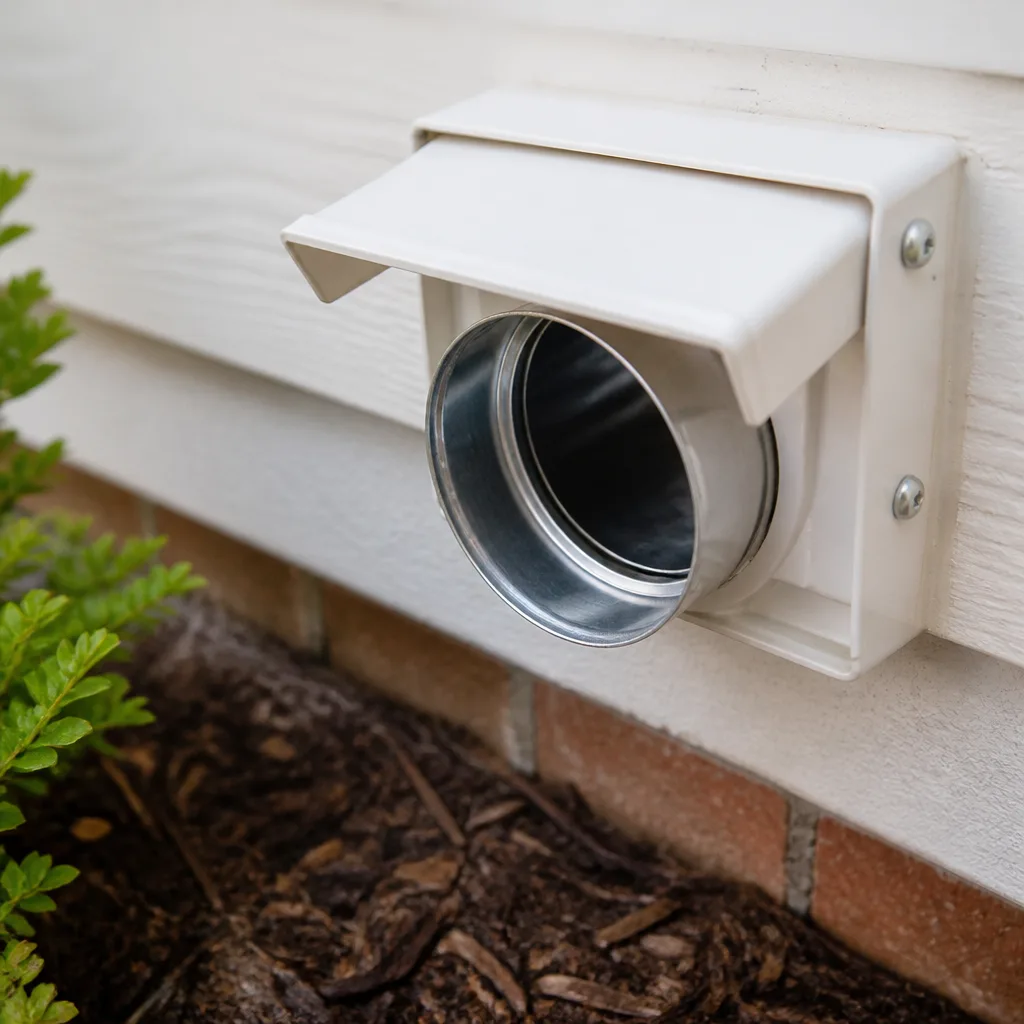 Dryer vent cleaning
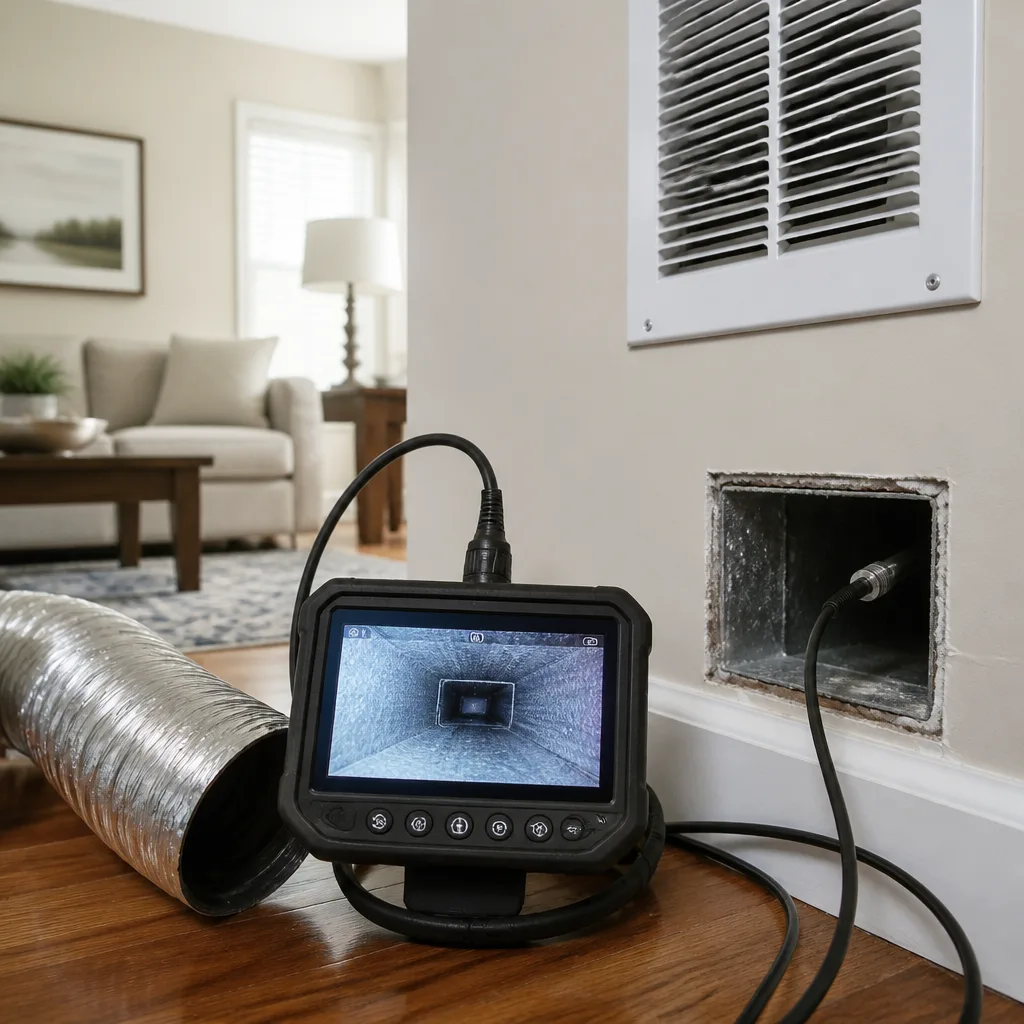 Camera inspection
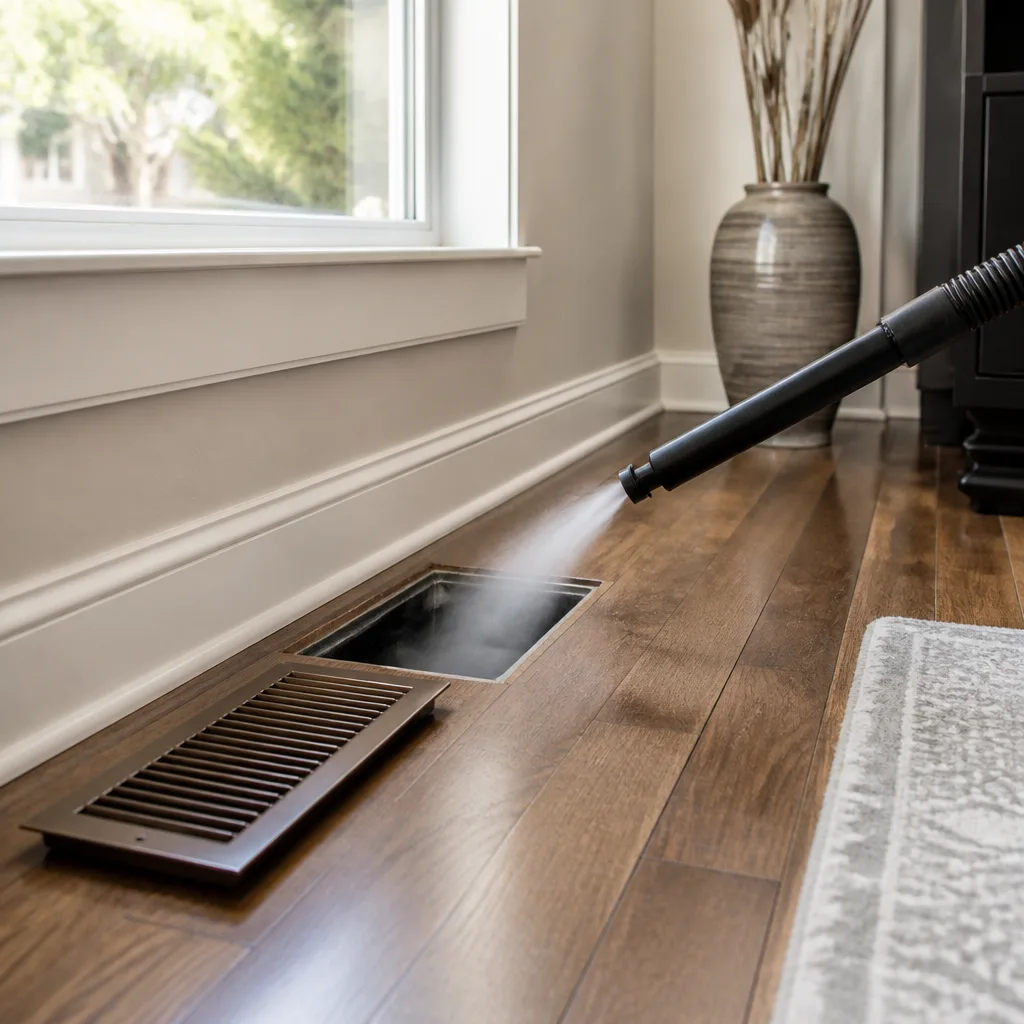 Sanitizing & deodorizing
Whole-system duct and dryer vent check with before-and-after photos - you see exactly what came out of your vents
That "$99 whole-house special" is a bait ad - the real number appears once they are in your hallway, or the "clean" is a shop-vac at the register. We photograph the inside of your ducts before and after instead.
Seasonal Air Duct Cleaning Care for Tacoma: Year-Round Homeowner’s Guide
The advice to clean your ducts every three to five years was written for a place with four tidy seasons and a lot of forced-air heating. Tacoma doesn’t work that way. This city sits between a marine air mass that keeps humidity high for months and two wildfire corridors that can push smoke into the valley without warning. Your ducts load up on a different schedule than the national checklist assumes. What follows maps real seasonal care to Tacoma’s actual pattern: late-summer smoke, a damp winter, a spring pollen surge, and a heating switchover that catches people off guard. You’ll get inspection timing, a log you can keep, and the signals that mean it’s time to call.
Quick Answer
In Tacoma, air ducts don’t follow the generic three-to-five-year cleaning cycle. They need attention tied to what the city actually experiences: a post-smoke inspection after late-summer wildfire events, a check of the whole system before the first heating run in fall, a humidity watch inside crawlspace and attic ducts through winter, and a duct-integrity review during spring pollen and renovation season. A filter-change habit plus annual visual checks handle most of it, and a professional cleaning fits in when smoke, debris, or visible buildup changes what’s inside the system.
Styles & brands we work with
- Whole-home duct cleaning
- Dryer vent cleaning
- Camera inspection
- Sanitizing & deodorizing
Table of Contents
- Why Tacoma’s Climate Resets the Duct-Cleaning Clock
- Late Summer: Wildfire Smoke and Your Return Air Path
- Fall: The Heating Switchover and Baked-In Summer Debris
- Winter: Humidity, Condensation, and Crawlspace Duct Runs
- Spring: Pollen and Renovation Season
- The Seasonal Log Every Tacoma Homeowner Should Keep
- Common Mistakes to Avoid
- When to Call a Professional
Why Tacoma’s Climate Resets the Duct-Cleaning Clock
Most seasonal HVAC advice assumes two clear seasons: a heating season and a cooling season, with dry air in between. Tacoma doesn’t hand you that. The city sits in a basin between Puget Sound’s marine influence and the Cascade foothills, and that geography produces a pattern that loads ductwork in ways a Midwestern checklist never anticipates.
Three forces matter most. First, marine humidity that holds above 60% for long stretches through fall and winter, which is the enemy of any uninsulated duct run. Second, late-summer wildfire smoke that can push into the south sound from either side of the Cascades and settle into homes through return air paths. Third, a spring pollen surge that coincides with the renovation season, when doors and windows stay open and construction dust has an easy route into the system.
Each of these loads a different part of your ducts. Here’s the short version of what changes:
- Smoke season loads fine particulate into return ducts and the air handler.
- Damp winter raises condensation risk inside ducts that run through cool spaces like crawlspaces and attics.
- Spring pollen and renovation dust load supply registers, grilles, and the filter rack.
- The heating switchover concentrates whatever accumulated over summer and pushes it out at first run.
None of this means your ducts need cleaning every few months. It means the trigger to act is an event, not just a calendar date. A homeowner in North Tacoma two blocks from an arterial with a lot of summer traffic smoke exposure may need inspection after a smoke event, while a house on a quiet stretch of the West End may just need routine filter care. The schedule bends to what your home actually went through. Understanding that is the whole point of this guide.
The good news: none of this requires guesswork. Filters, register checks, and the seasonal log that follows give you a real picture of what’s moving through your system, and you can act on it without a service visit for most of the year.
Late Summer: Wildfire Smoke and Your Return Air Path
Wildfire smoke in late summer and early fall is the biggest wildcard in Tacoma’s duct calendar. When smoke settles over the south sound, most of it never gets inside your home through obvious openings. It gets pulled in through the return air grilles when the system is running, and then it deposits on the inside of return ducts, on the air handler’s blower wheel, and on the filter.
The reason this matters for a post-smoke inspection is that smoke particulate isn’t like ordinary house dust. It’s much finer and sticks to surfaces rather than settling on the floor. A standard cleaning that focuses on what’s visible at the register won’t touch what’s inside the return trunk. A post-smoke inspection is different: it looks at the return side, the air handler, and the blower housing, not just the supply registers a vacuum wand can reach.
What actually happens during a smoke event:
- Fine smoke particulate is drawn into the return grilles while the system runs or the furnace fan cycles.
- The filter catches some of it, but not all, especially if the filter is past due or a low-MERV option.
- Particulate deposits on the blower wheel, inside return ducts, and on the evaporator coil face.
- When the system cycles on again, some of that material re-enters the airstream and travels into occupied rooms.
What you can do without a service visit is straightforward. Change the filter the moment the smoke clears, even if it’s not due. Wipe down registers and grilles with a damp cloth. Close windows and run the system in recirculation mode during the smoke event itself if your thermostat or air handler supports it. If your system uses outdoor air intake, this is the moment to ask a technician whether it should be closed.
What you shouldn’t do is assume a standard cleaning handles it. If you’ve got smoke residue or you’ve run the system hard through a heavy smoke period, the visit worth booking is one that inspects the return path and the air handler, not just the registers. We clean the whole system – ducts, coils, vents, and connections – not just what’s visible at the register, and that scope is what a post-smoke inspection actually requires. If you’re not sure whether you need the full air duct cleaning or just a filter swap, an inspection answers it in a single visit.
Fall: The Heating Switchover and Baked-In Summer Debris
The first cold snap of the year is when a lot of Tacoma homeowners discover their ducts weren’t as clean as they thought. Here’s why: everything that accumulated over the summer (dust, smoke particulate, pollen blown in through open windows, pet hair that cycled through the system) is sitting on the evaporator coil, in the return, and on the blower wheel. The moment the heat comes on, that material gets hit with warm air and blown out into every room at first run.
The other reason to check the system before the heating switchover is that the heat exchanger and blower get a fresh look. Debris sitting on a heat exchanger doesn’t just get blown around; it can shorten the equipment’s life by trapping heat and creating uneven hot spots. The blower wheel is the other concern, since a light coating of dust throws off the balance and forces the motor to work harder.
Our recommended fall sequence, in order:
- Change the filter, even if the indicator says otherwise. Late summer smoke loads them faster than the label predicts.
- Check each register with a flashlight. Visible matting, dark streaks, or a musty smell means the supply side needs a closer look.
- Turn the system to heat for a short cycle on a mild day. If you notice a burn-dust smell that lasts more than a few minutes, that’s a signal to book an inspection rather than wait.
- Ask for the evaporator coil and blower to be inspected during any service visit. These are the two locations most seasonal buildup lands on.
- Look at the outside of the furnace and air handler for rust, moisture, or dark dust trails at seams – all indicators of a system that’s moving more debris than it should.
If it’s been more than a couple of years since a full cleaning, this is the right moment to schedule it. Fall is also the natural time for HVAC cleaning, which covers the coil and blower rather than just the ducts. Doing both in the same visit saves a return trip and gives you a fresh baseline going into winter.
Winter: Humidity, Condensation, and Crawlspace Duct Runs
Winter in Tacoma is not a deep-freeze winter. It’s a wet one. The marine air mass keeps relative humidity high for weeks at a stretch, and that’s the season’s real duct risk. When warm air travels through an uninsulated duct run in a crawlspace or attic and meets a surface cooled by damp outside air, condensation forms on the inside of the duct.
That condensation is a problem for two reasons. First, it rusts galvanized duct interiors over time, which creates a rough surface that traps debris and never gets fully clean. Second, moisture combined with accumulated dust is exactly the environment where biological growth becomes a concern. In a lot of Tacoma homes, the crawlspace and attic runs are the ones installed with the least insulation because they’re the hardest to reach, and they’re the ones that suffer most in a wet winter.
What to watch for from November through February:
- Weak airflow at registers far from the air handler – a common sign a longer duct run has lost integrity or filled with material.
- A musty or damp smell that appears when the system cycles on, especially in the morning.
- Visible condensation on the outside of any duct you can see in the crawlspace or attic, or on the ductwork near the air handler.
- Water stains or rust at duct joints, seams, or the take-off boots at floor registers.
- Ice or frost on ductwork in an unheated space – a clear sign of a cold surface meeting warm, moist air.
Duct sealing is often the fix that makes the winter problem go away. Ducts leak, and even small gaps in an uninsulated run let moist attic air into the airstream. Our Tacoma Air Duct Cleaning Experts team treats duct repair and sealing as part of the cleaning job rather than a separate upsell, because a cleaned duct that still leaks just re-loads on the next cycle. Sanitizing, done with the same professional-grade equipment we use for cleaning, closes out the job by making sure what’s left of any biological growth doesn’t re-establish in the moist months.
We’ve seen enough crawlspace and attic systems to know winter is the season when the cheap systems show their limits. Rotobrush and Nikro agitation and extraction gear reaches surfaces inside the duct, and containment equipment from Abatement Technologies keeps the debris out of your living space while the work is happening. If you’re going to open up a duct system in the middle of winter, that containment matters.
Spring: Pollen and Renovation Season
Tacoma’s spring brings two loads to your ducts at once: pollen from the mature trees that line a lot of the older neighborhoods, and construction dust from the renovation projects that seem to start the moment the weather turns. Both arrive through the same open door.
Pollen is the more obvious of the two. The fine material that settles on every car in April doesn’t stay outside. When windows are open and the air handler cycles, spring pollen finds the return grilles. On a house with a lot of mature landscaping, that accumulation shows up as a yellow-tinted dust film at the registers and on the filter.
Renovation dust is the harder one to manage. When doors and windows are open for weeks during a remodel and the HVAC system keeps running, sawdust, drywall dust, and insulation fibers have a direct path into the system. The fix isn’t complicated, but it takes planning:
- Before demolition begins, ask your contractor to seal off the work area with plastic sheeting, including any supply and return registers in or near the room.
- Change the filter mid-project if the work runs more than a couple of weeks, and again at the end.
- Keep doors between the work area and the rest of the house closed as much as practical, and run the air handler only when needed.
- If the project involves moving or adding ductwork, verify every new joint is sealed before the system goes back into full service.
- Book a cleaning or inspection after the remodel wraps if the project ran more than a few weeks. What was pulled in through returns during construction doesn’t come out through the filter.
Spring is also the season to check dryer vents, especially if the laundry equipment was running all winter. Lint accumulates through the cold months and doesn’t clear itself. The work of dryer vent cleaning is often scheduled the same week as a spring duct service, and it’s one of the higher-value preventive jobs you can do as a homeowner. We catch a lot of Tacoma homes where the dryer vent has been overlooked for years simply because the machine keeps drying clothes and no one thinks about the exhaust path.
The Seasonal Log Every Tacoma Homeowner Should Keep
A simple log won’t clean your ducts, but it will tell you when to schedule the cleaning and when to wait. Keep it in a small notebook or a note on your phone. Since Tacoma’s seasons don’t line up with the standard checklist, the log replaces what the national advice gets wrong.
What to record each season:
- Filter changes: the date, the filter size, and the MERV rating. Note anything unusual: a filter that looks much darker than the previous one, or one that loaded fast after a smoke event.
- Visual register checks: a quick flashlight look at each supply register every couple of months. Note streaks, matting, smell, or weak airflow.
- System runtime: whether the heating or cooling has been running more than a usual season, or if you’ve been away for a stretch.
- Smoke events: mark any period (typically late August through September) when regional smoke was present. This is the single most important entry, because it triggers the post-smoke inspection decision.
- Renovation activity: any project that opens the house to construction dust or involves moving ductwork.
- Contractor visits: the date, what was serviced, and what the technician recommended next.
A completed season looks like this: at each season change, you’d note the filter date and the visual check. You’d write down whether the heating or cooling ran more or less than usual. You’d flag any smoke event or renovation. At the end of the year, you’d have a simple record that tells you whether a professional visit is due. In practice, most Tacoma homes will land on a filter change every three to six months with a professional inspection (or cleaning, if the log shows buildup) once a year. Some years, especially after a heavy smoke season or a kitchen remodel, you’ll want two.
The point of the log is to make the decision based on your home instead of on a generic schedule. It also gives a technician a real history when you book a visit. Our technicians have up to 13 years of experience and can read a log like this and immediately know which parts of the system to focus on.
Common Mistakes to Avoid
- Following the “three to five years” rule literally. That guidance was written for a place with different seasonal loading. In Tacoma, a heavy smoke summer and a damp winter mean the right interval depends on what your home actually went through, not on the calendar. Trust the log over the label.
- Skipping the filter change after a smoke event. A filter that’s loaded with smoke particulate restricts airflow, which can stress the blower and reduce indoor air quality. Change it as soon as the regional smoke clears, no matter what the filter indicator says.
- Turning on the heat for the first time without checking the registers. The first heating run of fall pushes whatever accumulated in the ducts into every room. A quick visual check before that first run tells you whether you’re about to spread a summer’s worth of dust through the house.
- Assuming visible register dust means clean ducts. Clean registers are a good sign, but buildup in the return path, on the coil, and inside the air handler doesn’t show up at the grille. This is why post-smoke inspections look at the whole system, not just what you can see.
- Running the HVAC system through a remodel with nothing sealed off. Drywall dust and sawdust find their way into return ducts during a project, and what enters during construction doesn’t come out through the filter. Seal the work area before demolition begins.
- Choosing a quote by the coupon alone. A very low teaser price often becomes a much larger invoice once a technician is on site. A flat whole-system price agreed before work starts, with before-and-after photos of your own ducts, is the better frame for comparing quotes.
- Ignoring the crawlspace and attic duct runs. These are the hardest to reach and the least insulated, and they’re where damp winter air causes the most trouble. If you can see your ducts in either space, a visual check every fall is worth the flashlight trip.
When to Call a Professional
Most seasonal care is something you can do. Filters, register checks, sealing off a work area, keeping the log – none of that requires a service visit. But some situations are worth calling on. Book an inspection after a regional smoke event if the home was running the HVAC through it. Book a cleaning if your log shows more than a couple of years since the last service, or if you see weak airflow at multiple registers, musty smell when the system runs, visible rust or condensation inside ducts, or dust that keeps reappearing at every register within days of a wipe-down. Book a duct repair and sealing inspection if any duct run is in a damp crawlspace or attic, especially if the winter log shows recurring condensation. And book a dryer vent cleaning if it’s been more than a year since the last one, especially if the machine is running longer to dry a load.
Tacoma Air Duct Cleaning Experts offers free estimates in Tacoma. Call (877) 703-6064. We answer 24/7, and fast dispatch from 7am to 7pm runs Sunday through Friday. We work with professional Rotobrush and Nikro systems and Abatement Technologies containment equipment, and we can assess existing Honeywell and Aprilaire air quality components while we’re on site. One flat price per system, agreed before work starts, with before-and-after photos of your own ducts.
See the difference
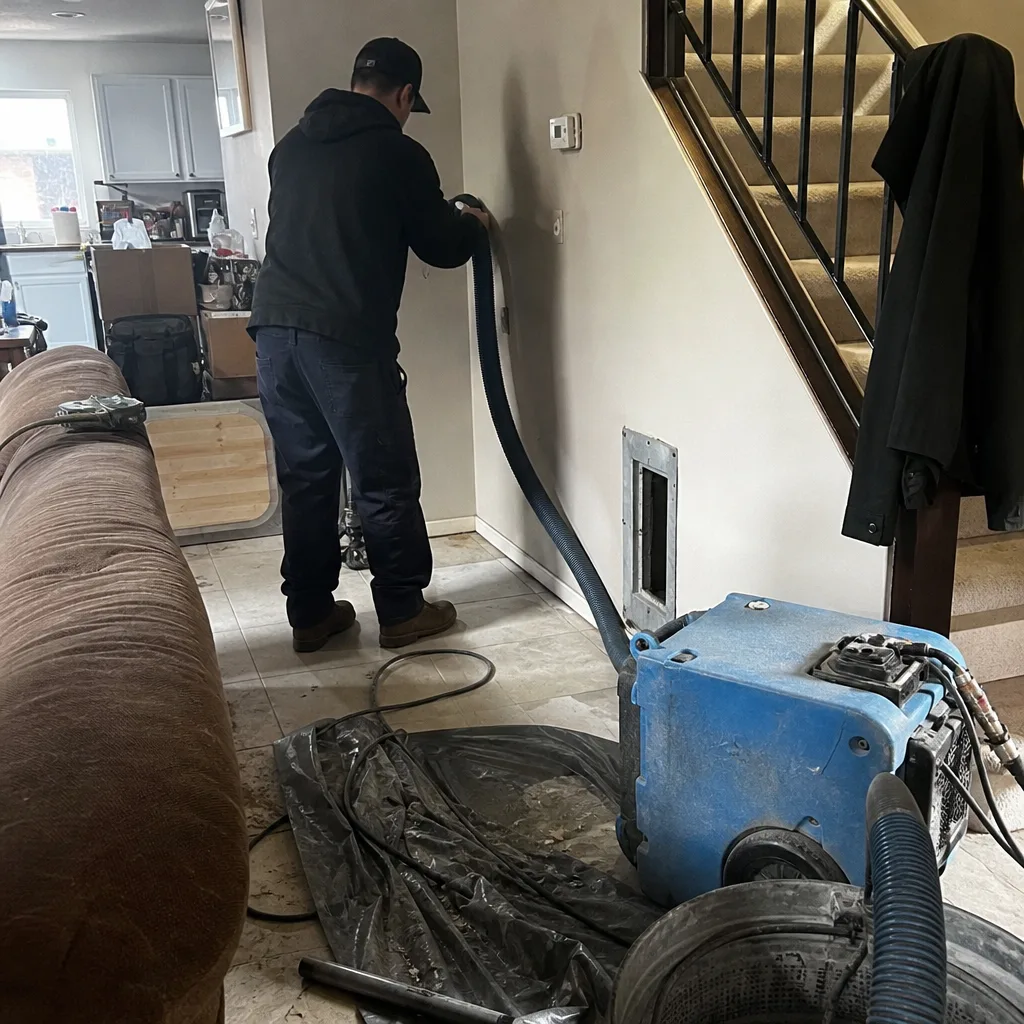 Before
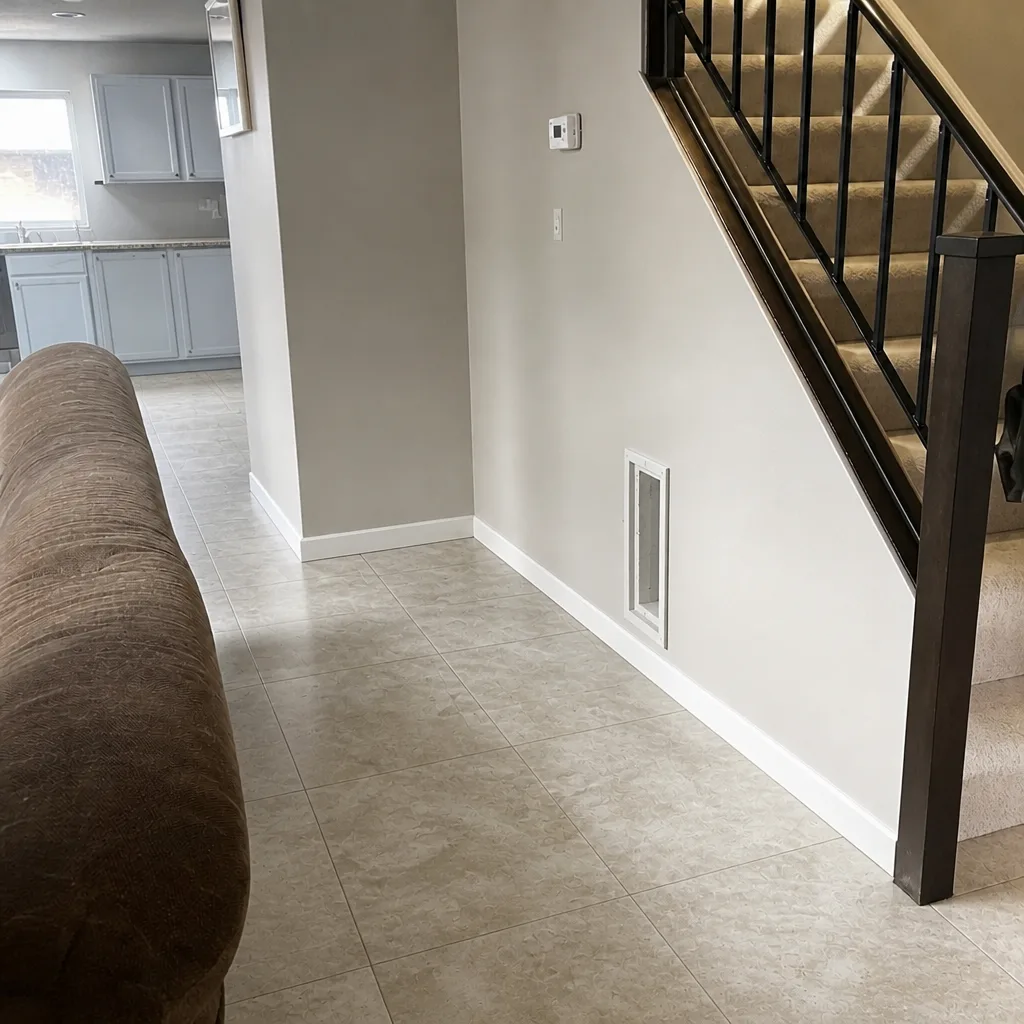 After
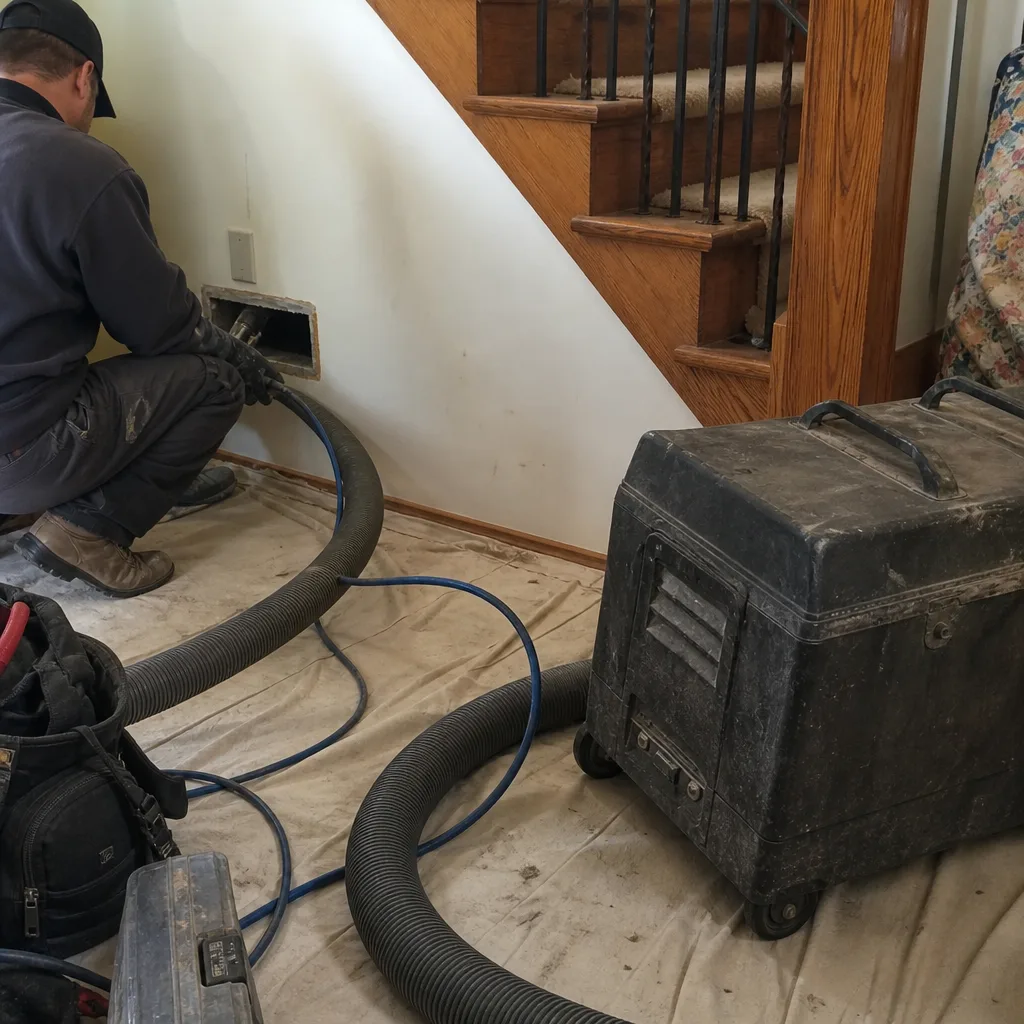 Before
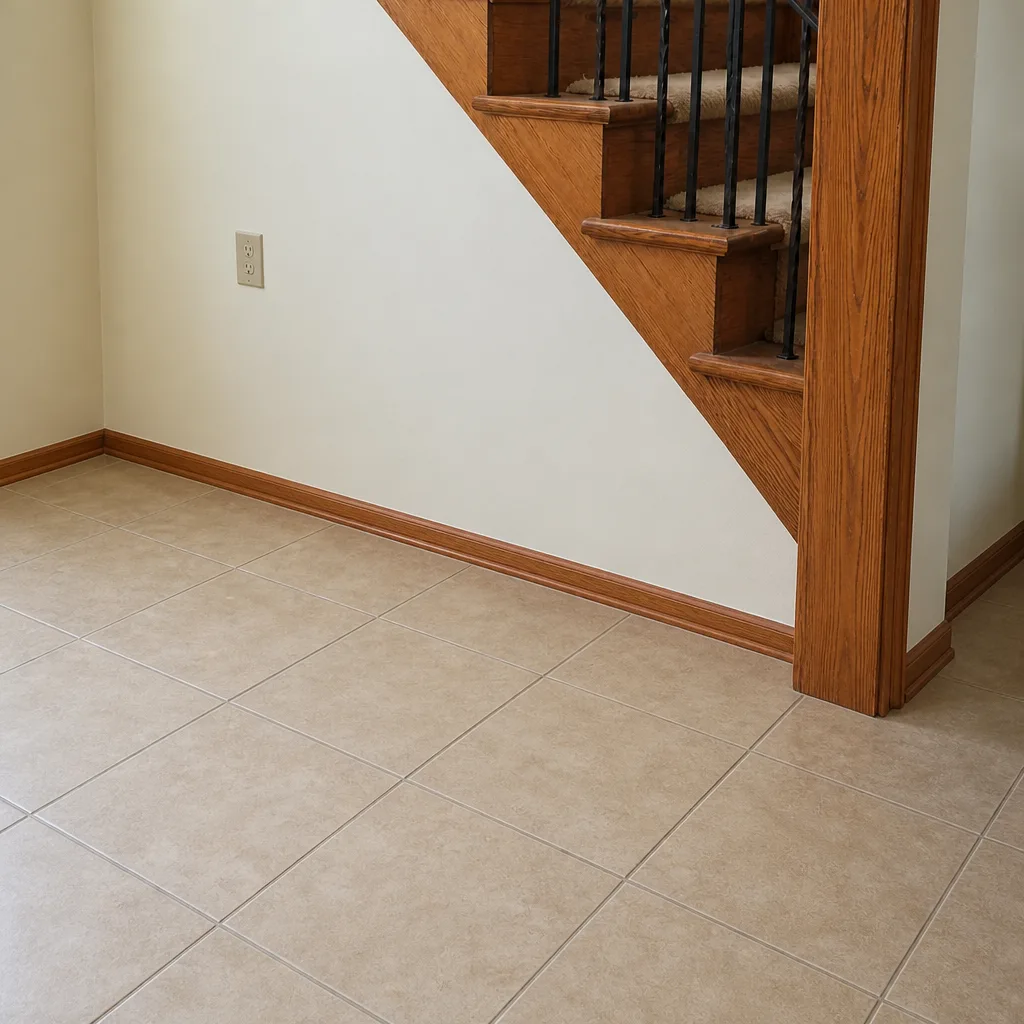 After
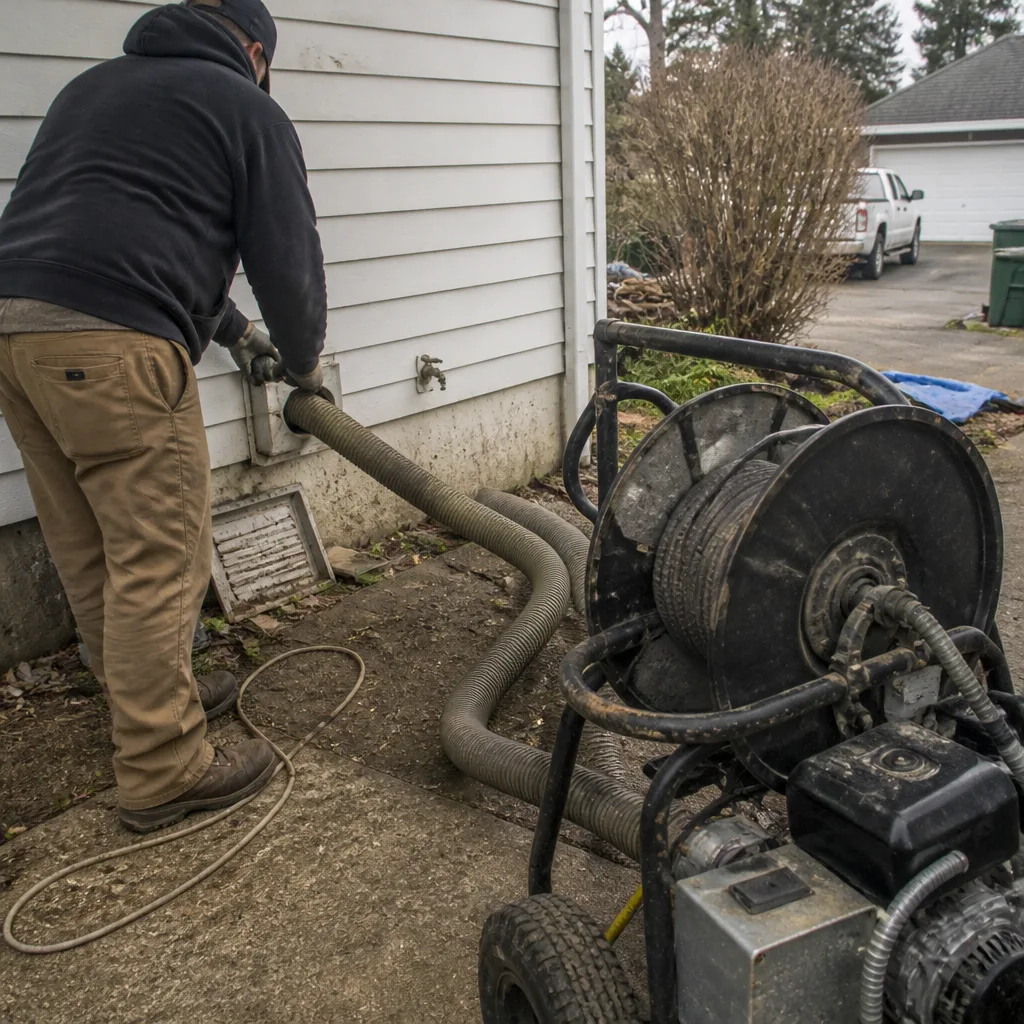 Before
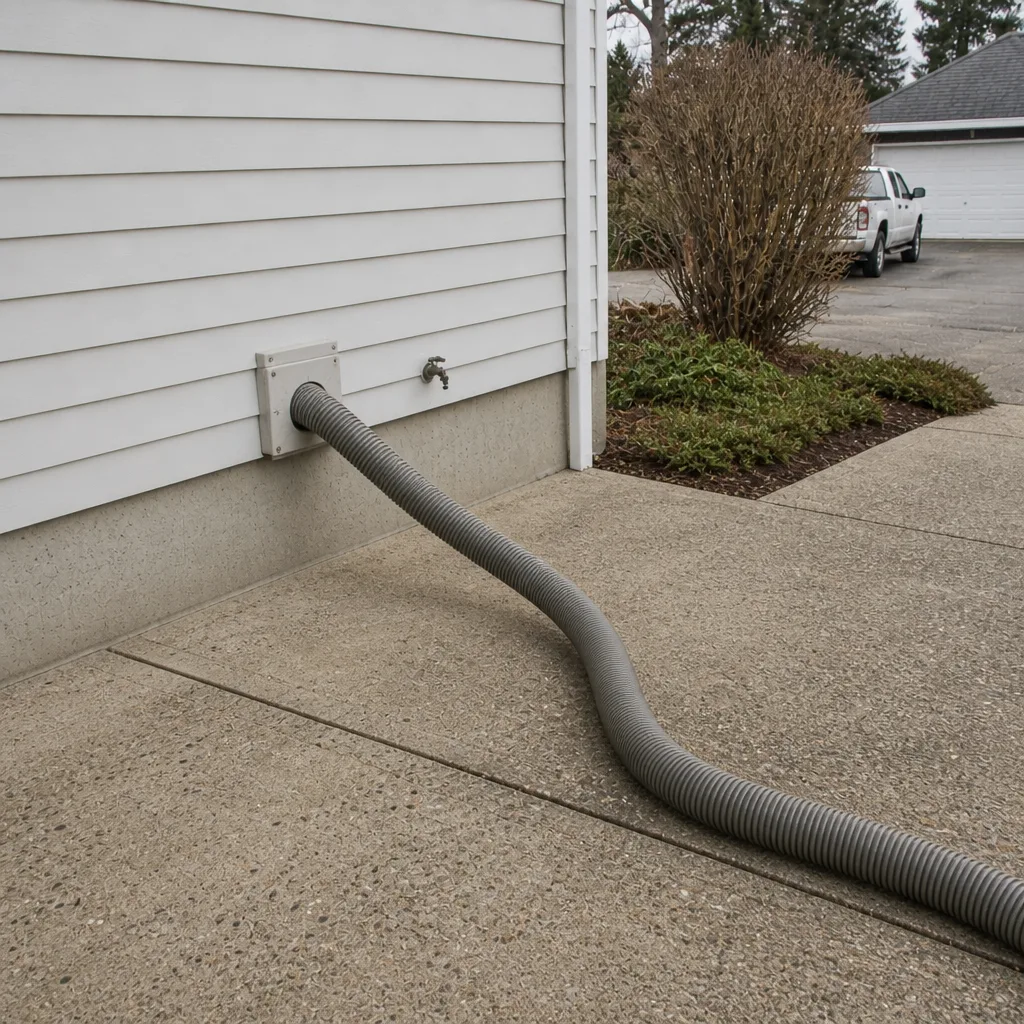 After
Frequently Asked Questions
In Tacoma, most homes benefit from a professional inspection once a year and a cleaning every two to four years, adjusted for what the home actually experienced. That’s shorter than the national three-to-five-year guideline because a heavy wildfire smoke season or a winter of high humidity loads the system faster than a standard climate would. Homes on busy arterial streets, with pets, or with allergy-sensitive occupants often land at the shorter end. Call (877) 703-6064 for a free estimate, and we’ll tell you what your log suggests.
Yes, if the system was running through a heavy smoke period, especially during August and September in the south sound. Smoke particulate is fine enough to reach the blower wheel and the inside of return ducts, and a standard register-focused cleaning won’t remove it. A post-smoke inspection looks at the return side and the air handler, not just what’s visible at the grilles. Change the filter as soon as the smoke clears, and call (877) 703-6064 if you’re not sure whether an inspection is warranted.
Winter condensation happens when warm air moves through an uninsulated duct run in a cool crawlspace or attic and meets a surface cooled by Tacoma’s sustained humidity. The interior of the duct stays cool, the warm air condenses on it, and over a season that moisture can rust the duct interior and create a surface that holds debris. Duct sealing closes small gaps that let moist outside air in, and it’s often the real fix for winter condensation. Call (877) 703-6064 for a free estimate on sealing and any needed repair.
Clean after the renovation, not before. Sealing off the work area before demolition, changing the filter mid-project, and booking a cleaning once the project ends is the right sequence. What gets pulled into return ducts during construction doesn’t come out through the filter, and a cleaning before the work would just be undone by the dust the project creates. Call (877) 703-6064 when you know your project timeline – we can schedule the post-project cleaning to fit.
The best indicator is before-and-after photos of your own ducts, not just the register. A technician using Rotobrush and Nikro equipment should be able to show you the inside of the return path and the air handler before and after the cleaning, along with a written summary of what was serviced. A flat whole-system price agreed before work starts is the other protection, since it removes the temptation to add line items mid-visit. Call (877) 703-6064 to schedule and ask what the visual evidence will include.
Because they’re priced per vent, or as a teaser that grows into a larger invoice once the technician is on site. A whole-system cleaning covers the ducts, the return path, the blower, and the coil, and it takes real equipment and real time to do correctly. A very low number almost always reflects a scope that skips the parts of the system that matter most, or a price that gets revised at the door. We price per system, agreed before work begins, with the written estimate setting the final number. Call (877) 703-6064 for a free estimate.
The Bottom Line
Tacoma doesn’t reward the national duct-cleaning checklist. What it rewards is a simple seasonal habit: change the filter when the season changes and after any smoke event, check registers with a flashlight, keep a one-page log of what happened in your home, and schedule a professional inspection or cleaning when the log tells you the system actually loaded up. Late summer smoke, fall heating switchover, winter humidity in the crawlspace runs, and spring pollen and remodels are the four real triggers. Handle them one at a time and the system stays clean. Call (877) 703-6064 for a free estimate. We answer 24/7, and fast dispatch from 7am to 7pm runs Sunday through Friday.
Written by the team at Tacoma Air Duct Cleaning Experts.